Copper pipes have been a popular choice for plumbing systems for decades, known for their durability, corrosion resistance, and malleability. As a copper pipe supplier, I often receive questions from customers about how copper pipes might affect the taste of water. In this blog post, I’ll delve into the science behind this topic, exploring the factors that can influence water taste when using copper pipes and providing insights based on my experience in the industry. Copper Pipe

The Science of Copper in Water
Copper is a naturally occurring element that can leach into water when it comes into contact with copper pipes. This leaching process is influenced by several factors, including the water’s pH level, temperature, and the presence of other chemicals. When water has a low pH (acidic), it is more likely to dissolve copper from the pipes. Similarly, warmer water can increase the rate of copper leaching.
The World Health Organization (WHO) has set a guideline for copper in drinking water of 2 mg/L. This limit is based on the potential health effects of long – term exposure to high levels of copper, but it also has implications for water taste. At levels above 1 mg/L, copper can impart a metallic taste to the water. However, many people may notice a change in taste at even lower concentrations, around 0.5 mg/L.
Factors Affecting Copper Leaching
Water Chemistry
The chemical composition of water plays a crucial role in copper leaching. Water with a low pH, high acidity, or high levels of dissolved oxygen can accelerate the corrosion of copper pipes and increase the amount of copper that leaches into the water. For example, if the water source is acidic due to high levels of carbon dioxide or other acids, it can react with the copper in the pipes, causing it to dissolve.
Pipe Age and Condition
New copper pipes may release more copper into the water initially as the surface of the pipe is fresh and has not developed a protective oxide layer. Over time, a patina forms on the inner surface of the pipe, which can reduce the rate of copper leaching. However, if the pipes are old, corroded, or damaged, the protective layer may be compromised, leading to increased copper leaching.
Water Temperature
Warmer water can increase the solubility of copper and the rate of chemical reactions within the pipes. This means that hot water is more likely to have higher levels of copper than cold water. In households, this can be a concern, especially for those who use hot water for drinking or cooking.
Impact on Water Taste
The presence of copper in water can have a significant impact on its taste. As mentioned earlier, even small amounts of copper can give water a metallic or bitter taste. This can be off – putting for many people, especially those with a sensitive palate. The taste can also vary depending on the concentration of copper in the water. At very low levels, the taste may be barely noticeable, but as the concentration increases, the metallic flavor becomes more pronounced.
In some cases, the taste of copper in water can be masked by other substances. For example, if the water has a high mineral content or contains additives such as chlorine, the taste of copper may be less noticeable. However, this does not mean that the copper is not present in the water.
Health Considerations
While copper is an essential nutrient for the human body, excessive intake can have negative health effects. Short – term exposure to high levels of copper can cause nausea, vomiting, diarrhea, and abdominal pain. Long – term exposure to elevated levels of copper has been linked to liver and kidney damage, as well as neurological problems.
However, it’s important to note that the levels of copper in water from properly installed and maintained copper pipes are usually well below the levels that would cause health problems. In fact, in many cases, the copper in water can contribute to the daily dietary intake of this essential mineral.
Mitigating the Effects of Copper on Water Taste
Flushing the Pipes
One simple way to reduce the amount of copper in water is to flush the pipes before using the water for drinking or cooking. This involves running the tap for a few minutes to clear out any stagnant water that may have been in contact with the copper pipes for an extended period.
Water Treatment
Installing a water treatment system can also help reduce the amount of copper in water. There are several types of water treatment systems available, including activated carbon filters, reverse osmosis systems, and ion exchange resins. These systems can remove copper and other contaminants from the water, improving its taste and quality.
Pipe Maintenance
Proper maintenance of copper pipes is essential to minimize copper leaching. This includes ensuring that the pipes are installed correctly, avoiding the use of harsh chemicals in the plumbing system, and regularly inspecting the pipes for signs of corrosion or damage.
Our Role as a Copper Pipe Supplier
As a copper pipe supplier, we are committed to providing high – quality copper pipes that meet industry standards. Our pipes are made from pure copper, which is known for its excellent corrosion resistance and durability. We work closely with our customers to ensure that they understand the proper installation and maintenance of copper pipes to minimize the potential for copper leaching and its impact on water taste.
We also offer technical support and advice to our customers. If you have any concerns about how copper pipes might affect the taste of your water, our team of experts is available to answer your questions and provide solutions. Whether you are a homeowner, a plumber, or a building contractor, we can help you make the right choice when it comes to copper pipes for your plumbing system.
Conclusion
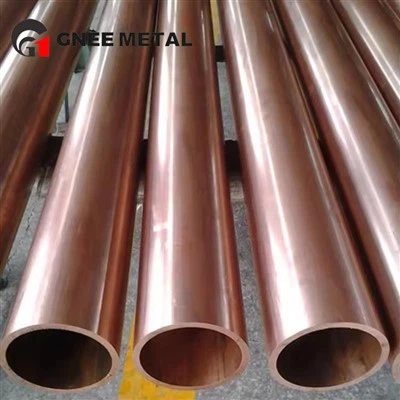
In conclusion, copper pipes can have an impact on the taste of water, but this can be managed through proper installation, maintenance, and water treatment. While the presence of copper in water can impart a metallic taste, the levels are usually within safe limits and can even contribute to the daily intake of this essential nutrient.
Copper If you are considering using copper pipes for your plumbing system, or if you have any questions about the taste of water from copper pipes, I encourage you to reach out to us. Our team of experts is ready to assist you in making an informed decision and ensuring that you get the best performance from your copper pipes. Contact us today to discuss your copper pipe needs and start a conversation about how we can help you with your plumbing project.
References
- World Health Organization. Guidelines for Drinking – Water Quality.
- American Water Works Association. Copper in Drinking Water.
- National Sanitation Foundation. Standard for Drinking Water Treatment Units.
Gnee Steel (Tianjin) Co., Ltd.
Gnee Steel (Tianjin) Co., Ltd. is one of the leading copper pipe manufacturers and suppliers in China. We warmly welcome you to buy discount copper pipe for sale here from our factory. All our products are with high quality and competitive price. Contact us for more cheap products.
Address: No.4-1114, Beichen Building, Beicang Town, Beichen District, Tianjin, China
E-mail: sales@gneemetal.com
WebSite: https://www.chinacopperalloys.com/
