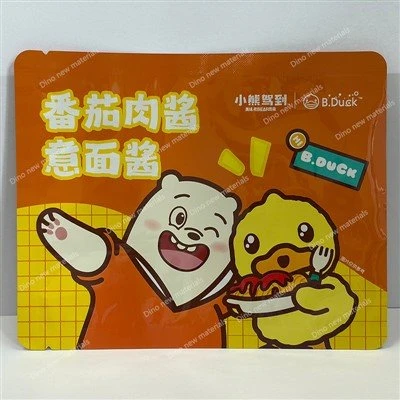
In the food industry, the use of aluminum foil bags is widespread due to their excellent properties. As a supplier of aluminum foil bags, I have a profound understanding of the standards that these bags must meet to ensure the safety and quality of food products. This blog will delve into the key standards for aluminum foil bags in the food industry. Aluminum Foil Bag
Material and Composition Standards
The first and foremost standard for aluminum foil bags in the food industry is related to their material and composition. The aluminum foil used in these bags should be of high – quality food – grade material. Food – grade aluminum foil is free from harmful substances such as heavy metals (e.g., lead, mercury, cadmium) that could leach into the food and pose a health risk to consumers.
The thickness of the aluminum foil is also a crucial factor. Generally, for food packaging, the thickness of the aluminum foil layer in the bag ranges from 0.006mm to 0.02mm. A thinner foil may not provide sufficient barrier properties against oxygen, moisture, and light, while a too – thick foil can increase the cost and make the bag less flexible.
In addition to the aluminum foil, the other layers in the bag, such as the plastic film layers, also need to meet strict food – grade standards. These plastic layers are usually made of materials like polyethylene (PE), polypropylene (PP), or polyester (PET). They should be non – toxic, odorless, and have good heat – sealing properties. For example, PE is commonly used as the inner layer of the bag because it is safe for contact with food and can form a strong seal to prevent leakage.
Barrier Property Standards
One of the most important functions of aluminum foil bags in the food industry is to provide a barrier against external factors that can deteriorate the quality of food. The main barrier properties include oxygen barrier, moisture barrier, and light barrier.
Oxygen Barrier
Oxygen can cause oxidation of food, leading to changes in flavor, color, and nutritional value. For example, fats in food can become rancid when exposed to oxygen. Aluminum foil bags should have a low oxygen transmission rate (OTR). The OTR is usually measured in cubic centimeters per square meter per day (cc/m²/day). For high – quality food packaging, the OTR of an aluminum foil bag should be less than 1 cc/m²/day. This ensures that the food inside the bag is protected from oxygen and can maintain its freshness for a longer time.
Moisture Barrier
Moisture can also have a negative impact on food quality. It can cause spoilage, mold growth, and changes in texture. Aluminum foil bags need to have a low water vapor transmission rate (WVTR). The WVTR is typically measured in grams per square meter per day (g/m²/day). For food products that are sensitive to moisture, such as dry snacks and powdered foods, the WVTR of the aluminum foil bag should be less than 0.1 g/m²/day.
Light Barrier
Light can cause photochemical reactions in food, such as the degradation of vitamins and the formation of off – flavors. Aluminum foil has excellent light – blocking properties, which is one of the reasons why it is widely used in food packaging. A good aluminum foil bag should block at least 99% of light to protect the food from light – induced damage.
Hygiene and Safety Standards
Hygiene and safety are of utmost importance in the food industry. Aluminum foil bags must be produced in a clean and hygienic environment. The manufacturing facilities should comply with Good Manufacturing Practices (GMP). This includes proper sanitation of equipment, regular cleaning of the production area, and strict control of personnel hygiene.
The bags should also be free from contaminants such as dust, dirt, and microorganisms. Before packaging food, the bags should undergo strict quality control checks to ensure that they meet the hygiene standards. For example, microbiological tests can be carried out to detect the presence of harmful bacteria, yeasts, and molds. The acceptable levels of microorganisms in food – contact aluminum foil bags are usually very low, with limits set by relevant food safety regulations.
In addition, the printing inks used on aluminum foil bags should be food – safe. They should not contain heavy metals or other toxic substances that could migrate into the food. The inks should be firmly adhered to the bag surface and not rub off easily.
Physical and Mechanical Property Standards
Aluminum foil bags need to have certain physical and mechanical properties to withstand the handling and storage conditions in the food industry.
Tensile Strength
Tensile strength is the ability of the bag to resist stretching and tearing. A higher tensile strength ensures that the bag will not break during the filling, transportation, and storage processes. The tensile strength of aluminum foil bags is usually measured in Newtons per millimeter (N/mm). For most food applications, the minimum tensile strength of an aluminum foil bag should be around 10 N/mm.
Bursting Strength
Bursting strength refers to the ability of the bag to withstand internal pressure without bursting. This is important, especially for food products that generate gas during storage, such as some fermented foods. The bursting strength of an aluminum foil bag is typically measured in kilopascals (kPa). A common requirement for food – grade aluminum foil bags is a bursting strength of at least 100 kPa.
Heat – sealing Strength
Heat – sealing is a critical step in the packaging process. The heat – sealing strength of the bag determines its ability to maintain a proper seal and prevent leakage. The heat – sealing strength is measured by peeling the sealed area of the bag apart and recording the force required. For food packaging, the heat – sealing strength should be strong enough to withstand normal handling but not too strong that it becomes difficult to open. A typical heat – sealing strength for aluminum foil bags used in food applications is around 3 – 5 N/15mm.
Regulations and Certifications
To ensure compliance with the standards in the food industry, aluminum foil bag suppliers need to adhere to various regulations. In the United States, the Food and Drug Administration (FDA) has specific regulations regarding food – contact materials. The bags must meet the requirements set by the FDA to be legally used for food packaging.
In the European Union, the European Food Safety Authority (EFSA) regulates food – contact materials. Suppliers need to ensure that their aluminum foil bags comply with the EU’s food safety regulations, such as Regulation (EC) No 1935/2004.
Obtaining relevant certifications is also an important way to demonstrate the quality and compliance of aluminum foil bags. Certifications such as ISO 9001 (Quality Management System) and ISO 22000 (Food Safety Management System) are widely recognized in the industry. These certifications show that the supplier has a well – established quality control system and is committed to producing safe and high – quality aluminum foil bags for the food industry.
Why Choose Our Aluminum Foil Bags
As an experienced supplier of aluminum foil bags, we are committed to meeting and exceeding all the standards in the food industry. Our production facilities strictly follow GMP to ensure the hygiene and safety of our products. We use only high – quality food – grade materials in our aluminum foil bags, which have excellent barrier properties against oxygen, moisture, and light.
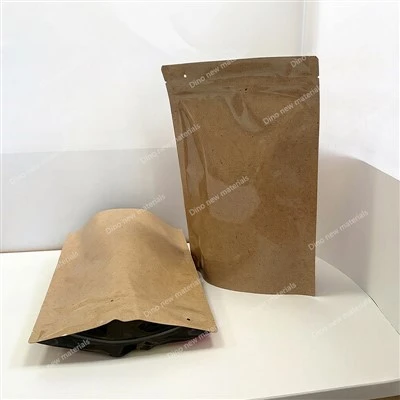
Our bags are also tested rigorously for physical and mechanical properties, ensuring that they can withstand the rigors of the food packaging process and storage. We have obtained all the necessary certifications, including ISO 9001 and ISO 22000, which are a testament to our commitment to quality.
Composite Film If you are in the food industry and looking for reliable aluminum foil bags, please feel free to contact us for more information. We are more than happy to discuss your specific requirements and provide you with the best packaging solutions.
References
- Food and Drug Administration (FDA). Regulations on Food – Contact Materials.
- European Food Safety Authority (EFSA). Regulation (EC) No 1935/2004 on Materials and Articles Intended to Come into Contact with Food.
- International Organization for Standardization (ISO). ISO 9001: Quality Management Systems – Requirements and ISO 22000: Food Safety Management Systems – Requirements for Any Organization in the Food Chain.
Jiangsu Dino New Materials Technology Co., Ltd.
With abundant experience, we are one of the most professional aluminum foil bag manufacturers and suppliers in China. We warmly welcome you to wholesale customized aluminum foil bag made in China here from our factory. If you have any enquiry about free sample, please feel free to email us.
Address: South of Hangzhou Road and east of Hengshan North Road, Sihong Economic Development Zone, Sihong County, Suqian City, Jiangsu Province, China
E-mail: 19551836609@139.com
WebSite: https://www.jsdinuo.com/
