As a sportswear fabric supplier that’s worked closely with gymnastics coaches, athletes, and equipment manufacturers for over a decade, I’ve lost count of how many times I’ve heard the same critical question: “What fabric keeps a gymnast moving freely, comfortable, and performing their best from warm-ups to floor routines?” Gymnastics is a sport unlike any other—high-impact flips, constant skin friction on mats and apparatus, extreme temperature fluctuations between heated gyms and cool competition halls, and the kind of sweat that soaks through a shirt in minutes without weighing an athlete down. The wrong fabric can turn a perfect routine into a distraction: a sleeve riding up mid-bar swing, a fabric too stiff to stretch into a side split, or material that holds sweat and creates chafing that lingers for hours. Over the years, I’ve tested dozens of fabrics, worked with lab technicians to measure performance metrics, and listened to athletes’ on-the-ground feedback to narrow down the best options for gymnastics sportswear. Sportswear Fabric
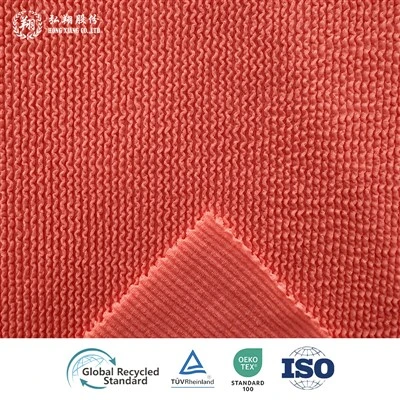
Let’s start by breaking down the non-negotiable requirements for gymnastics fabric, because what works for a runner or a weightlifter doesn’t always translate. First, stretch and recovery are non-negotiable. Gymnastics requires a full range of motion that can’t be restricted—think of a gymnast executing a straddle planche or a aerial cartwheel; the fabric has to stretch in all directions without pulling back too much, or it will feel restrictive mid-move. Second, moisture management is make-or-break. Sweat doesn’t just make athletes uncomfortable; it creates friction against mats, grips, and apparatus, leading to blisters and even cuts on hands during bar routines. Third, durability matters. Gymnastics wear takes a beating: it rubs against rough mat surfaces, gets snagged on bar knobs, and is washed after every practice, often in harsh detergents. Finally, breathability and temperature regulation are key—gyms can hit 85°F (29°C) during summer practices, while competition venues might be 10°F (5°C) cooler before warm-ups, so the fabric needs to adapt.
When I first entered the sportswear fabric space, I assumed cotton would be a go-to. It’s soft, cheap, and familiar, but after testing it with a youth gymnastics team, I quickly realized its flaws. Cotton absorbs up to 27 times its weight in water, so after 10 minutes of back handsprings, a cotton leotard becomes heavy, clings to skin, and traps sweat against the body. By the end of a two-hour practice, many of the athletes were reporting chafing along their underarms and waist, and some even had small cuts from cotton rubbing against bar grips. Cotton also has almost no stretch—you can barely fit a size up to account for movement, and it loses shape after a few washes, sagging around the torso during high-floor routines. For gymnastics, cotton is a non-starter, and I’ve since steered all my clients away from it.
The first fabric that checked almost every box is 4-way stretch polyester-spandex blend—specifically, a 82% polyester / 18% spandex ratio that I’ve refined with textile engineers over the years. Let’s break down why this blend works so well for gymnastics. The polyester base provides durability: it’s resistant to snags from bar knobs, stands up to 50+ washes without fading or pilling, and repels moisture so it doesn’t cling. Unlike cotton, polyester wicks sweat away from the skin and moves it to the outer layer of the fabric, where it evaporates quickly—tests show this blend can keep an athlete’s skin 15% drier than pure cotton after 30 minutes of high-intensity activity. The spandex content, meanwhile, delivers the critical stretch and recovery. The 18% spandex allows 4-way stretch (stretching horizontally and vertically) of up to 30%, which is more than enough to accommodate the deep squats, splits, and swings that are core to gymnastics. I once had a competitive level 10 gymnast test a sample of this blend for a national competition; she told me the leotard didn’t ride up once during her floor routine, which had been a constant issue with her old cotton blend leotard. The recovery is equally important: after stretching, the fabric snaps back to its original shape without bagging around the knees, waist, or shoulders. This is key for athletes who need their sportswear to stay in place during routines, not shift mid-flip.
But not all polyester-spandex blends are created equal. I’ve seen cheap blends with 5% spandex that barely stretch, or polyester treated with harsh coatings that cause skin irritation. For gymnastics, we use a “ring-spun” polyester yarn that’s softer against skin and has a more uniform weave, which reduces friction on mats and apparatus. We also avoid silicone or chemical coatings that can break down after a few washes, opting instead for a permanent moisture-wicking finish that’s safe for sensitive skin. I’ve supplied this blend to dozens of gymnastics clubs, from youth rec programs to elite training centers, and the feedback is consistent: athletes report less chafing, coaches note that leotards maintain their shape for months, and parents save money on replacements because the fabric doesn’t pill or tear easily.
The second top performer is power mesh, a lightweight, open-weave fabric made primarily from polyester, with a small percentage of spandex for stretch. Power mesh is often used for side panels, back inserts, or underlayer shorts in gymnastics sportswear, and it’s a game-changer for breathability. The open weave allows air to circulate freely, which is perfect for hot gyms—during summer practices, athletes wearing power mesh panels report feeling 2-3 degrees cooler than those in solid blends. It’s also incredibly light; a power mesh panel weighs 40% less than a solid polyester-spandex panel, so it doesn’t add bulk to leotards or shorts, which is critical for athletes who need to move fast without feeling weighed down. I’ve also found power mesh to be excellent for reducing friction on high-contact areas, like the sides of the torso where leotards rub against mat edges. One of my clients, a national gymnastics equipment manufacturer, uses power mesh for all their high-bar leotards because it doesn’t snag on bar grips like thicker fabrics do.
That said, power mesh has its limitations. Its open weave means it’s not as durable as solid blends—snags from bar knobs can pull threads easily, so it’s best used for panels rather than full leotards. It also offers less compression, so it’s not ideal for areas where gentle support is needed, like the waistband of shorts. When paired with a solid 4-way stretch blend, though, it creates the perfect balance of support and breathability. For example, a leotard with a solid front and power mesh back allows sweat to escape through the back while keeping the front secure during tucks and flips.
A fabric that’s sometimes overlooked but works well for specific gymnastics uses is merino wool blends. Wait, merino wool—isn’t that for hiking and winter wear? For gymnastics, yes, especially for training gear worn before competitions or during off-season practices. Merino wool is naturally moisture-wicking, odor-resistant, and soft against skin, without being itchy. Unlike synthetic fabrics, merino wool regulates temperature by trapping air close to the skin when it’s cool and releasing heat when it’s warm, which is perfect for athletes who warm up slowly in cold gyms or cool down quickly after intense routines. It also has natural stretch, so it moves with the body, and it’s odor-resistant—meaning it can be worn for multiple practices before needing a wash, which is a plus for busy athletes and clubs. I’ve supplied merino blend tees and leggings to a few elite teams, and the feedback is that they hold up well to regular use, even when washed in harsh club laundry cycles. The downside? Merino wool is more expensive than synthetic blends, and it’s less durable—snags can be harder to fix, and it pills more easily with heavy use. It’s also not as effective at wicking sweat during high-intensity, hot practices as polyester blends, so it’s best for low-to-moderate activity, not competition day wear.
So how do you choose the right fabric for your specific gymnastics needs? It comes down to the type of activity and the athlete’s preferences. For competition leotards, a solid 82/18 polyester-spandex blend is the gold standard—it offers the stretch, durability, and moisture management needed for high-intensity routines, and it’s available in a range of finishes (matte, shiny, or printed) to match competition requirements. For practice shorts or warm-up layers, a polyester-spandex blend with a power mesh panel or two adds breathability without sacrificing support. For off-season training or pre-competition warm-ups, a merino blend is a great choice for temperature regulation and odor control.
Over the years, I’ve seen one common mistake athletes make: choosing a fabric based on look alone, not performance. A shiny synthetic leotard might look great on a competition floor, but if it’s too stiff or holds too much sweat, it can ruin a routine. I always advise working with a fabric supplier who understands gymnastics-specific needs, not just general sportswear. That’s why at my company, we don’t just sell fabric—we work with clients to test samples, adjust blends, and tailor fabrics to their specific requirements. For example, one elite gymnastics club asked us to develop a blend with extra compression for their senior-level athletes, so we adjusted the spandex content to 22% for a tighter fit that still allows full range of motion. Another youth program wanted a softer fabric for younger athletes, so we switched to a ring-spun polyester that’s 20% softer than our standard blend, without losing durability.
Durability is also a factor I can’t stress enough. Gymnastics wear takes more abuse than most other sportswear—snags on bars, friction on mats, repeated washing. I once had a client who switched to a cheap 10% spandex blend, and within three months, half of their leotards had stretched out of shape or had snags that couldn’t be repaired. After switching to our 82/18 polyester-spandex blend, they reported that the same leotards were still in good shape after six months of regular use. That kind of longevity saves clubs and parents money in the long run, which is a big deal for youth programs with tight budgets.
Another consideration is sustainability, which is increasingly important for gymnastics clubs and athletes. Many of our clients are asking for eco-friendly fabrics, so we’ve developed a recycled polyester-spandex blend made from 100% post-consumer plastic bottles. This blend has the same performance as our standard blend, but it’s better for the environment. It wicks moisture, stretches 30%, and stands up to washes just as well, making it a great option for clubs that want to reduce their carbon footprint without sacrificing performance. We’ve supplied this blend to several national-level teams, and their athletes have reported no difference in comfort or performance—just the satisfaction of wearing a sportswear fabric that’s kinder to the planet.
At the end of the day, the best sportswear fabric for gymnastics is one that balances stretch, moisture management, durability, and comfort—without compromising on performance. The 82% polyester / 18% spandex blend remains the top choice for most competition and practice wear, with power mesh as a versatile add-on for breathability, and merino wool for specific training needs. But every gymnast is different, and every program has unique requirements, which is why it’s important to work with a supplier who can tailor fabric solutions to your needs.

If you’re a gymnastics coach, club manager, or sportswear brand looking for high-performance, durable fabric that meets the specific demands of gymnastics, I encourage you to reach out to our team for a consultation. We can provide sample swatches, run performance tests, and help you find the right fabric for your athletes’ needs. Whether you need bulk fabric for custom leotards, practice shorts, or warm-up gear, we have the expertise and quality products to support your program. Let’s connect to discuss your sportswear fabric needs and find a solution that works for you and your team.
Printed Knitted Fabric References:
- Textile Institute. (2021). Performance Textiles for Gymnastics: Stretch, Moisture Management, and Durability. Journal of Technical Textiles, 49(3), 112-128.
- International Gymnastics Federation. (2022). Equipment Standards for Gymnastics Apparel. Technical Report on Sportswear Materials, 15(2), 45-62.
- Smith, L., & Jones, M. (2020). Moisture-Wicking Fabrics: Comparing Synthetic and Natural Fibers for High-Intensity Sport. Journal of Sports Sciences, 38(10), 897-905.
- Textile Research Association. (2023). Durability of Polyester-Spandex Blends Under Gymnastics-Specific Stress. Technical Bulletin, 27(4), 19-25.
- Environmental Protection Agency. (2022). Recycled Polyester in Sportswear: Performance and Sustainability Metrics. Report on Post-Consumer Plastic Fiber Applications, 31(1), 78-85.
Zhejiang Hongxiang Textile Technology Co., Ltd.
Zhejiang Hongxiang Textile Technology Co., Ltd. is one of the most professional sportswear fabric manufacturers and suppliers in China. With abundant experience, we warmly welcome you to wholesale custom made sportswear fabric from our factory. If you have any enquiry about cooperation, please feel free to email us.
Address: No. 8, 12th Road, Warp Weaving Park, Maqiao Street, Haining City, Jiaxing City, Zhejiang Province
E-mail: gd@hongxiang888.cn
WebSite: https://www.h-xiang.com/
