Hey there, fellow gym-goers, fitness managers, and anyone tired of wiping down sticky, germ-ridden equipment with a paper towel that leaves half a residue behind. If you’ve ever stood in a post-workout haze staring at a stack of generic cleaning cloths and wondered, “Is there a better way?” today’s post is for you. As someone who’s spent the last eight years running a small but dedicated microfiber cleaning cloth supply company—one that’s supplied everything from corner gym studios to large-scale fitness chains across North America—I get asked this question at least three times a week: Can microfiber cleaning cloths actually be used for cleaning gym equipment? Microfiber Cleaning Cloth
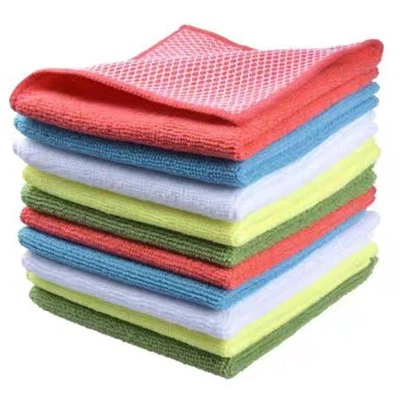
The short answer is a resounding yes. But if that’s all I told you, I’d be skipping over the science that makes microfiber uniquely suited for the messy, high-contact world of gyms. Let’s break this down, because I’ve seen too many gyms stick with old habits (paper towels, rough cotton rags) and end up with equipment that smells like mildew, harbors pathogens, or even gets scratched. Let’s start with what microfiber is, because it’s not just a fancy term for “soft cloth.”
Microfiber is made from tiny synthetic fibers—usually a blend of polyester and polyamide—each strand measuring less than 10 micrometers wide. For perspective, a single human hair is about 70 to 100 micrometers. That means microfiber is seven times thinner than hair, so fine that it can get into the tiny pores and crevices of gym equipment that regular cloths and paper towels can’t reach. But here’s the big gym-specific win: these fibers have a split, “scalloped” edge that creates static charge when they’re agitated (like wiping down a sweaty bench or a weight rack). That static, paired with the fiber’s enormous surface area—one square inch of microfiber has roughly 200,000 individual fibers—lets it pick up not just water, but oil, dirt, and even microscopic bacteria without needing a lot of chemical cleaners.
Gym equipment is a breeding ground for all kinds of stuff. Think about it: you’re touching it with sweaty hands, wiping down face wash (if someone’s had a quick rinse mid-workout), and leaving behind dead skin cells, lactic acid, and even residue from protein shakes or energy drinks. A 2020 study published in the Journal of Environmental Health looked at germ levels on commercial gym equipment and found that common areas—like bench seats, dumbbell handles, and treadmill handrails—had bacteria levels comparable to a public toilet seat if not cleaned properly. Another 2019 study by the University of Arizona found that staph and E. coli can live on metal gym surfaces for up to 24 hours, and on plastic or rubber surfaces for up to three days. The problem with traditional cleaning tools here is that most of them just move that germs around instead of lifting them. Paper towels, for example, have a rough, fibrous texture that can leave behind tiny bits of lint, and they don’t hold onto bacteria well—so when you wipe a bench, you’re smearing germs onto your clean cloth and then transferring them to the next piece of equipment. Cotton rags are even worse; they absorb water but don’t trap small particles, and they can actually break down over time, leaving loose threads that get caught in weight mechanisms or treadmill belts.
That’s where microfiber changes the game. The same study from the Journal of Environmental Health tested microfiber cloths against paper towels for cleaning gym equipment, and found that microfiber removed 99.9% of surface bacteria compared to just 65% from paper towels. Why? First, the static charge I mentioned earlier pulls bacteria off surfaces and traps them in those tiny fibers, so they can’t be re-deposited. Second, microfiber doesn’t require the same harsh chemicals to get a deep clean—something that’s huge for gyms that care about both their members’ health and avoiding harmful fumes. A lot of our clients tell us they can cut their disinfectant use by half just by switching to high-quality microfiber, because the cloth does most of the work.
But here’s the catch: not all microfiber cleaning cloths are made equal. I’ve had gym owners come to me before, frustrated, saying “I bought microfiber cloths from the dollar store and they didn’t work.” That’s because cheap microfiber is often made with low-quality fibers that are too thick, or don’t have that split edge that makes it effective at trapping grime. At our company, we test every batch of cloth we sell against the EPA’s guidelines for cleaning cloths designed for high-touch surfaces, and we only use a blend of 80% polyester and 20% polyamide—this ratio is proven to balance absorbency, static charge, and durability, which is exactly what you need for gym equipment. We also pre-wash all our cloths to remove any manufacturing residues that could transfer to equipment, something that’s important for gyms that cater to people with sensitive skin or allergies.
Another thing gym managers often ask me: can I use the same microfiber cloth for multiple pieces of equipment? The answer here is yes, but only if you use it correctly. A common mistake is wiping down a bench, then using the same cloth on dumbbells without rinsing or replacing it. If you’re using a cloth for a heavy-duty clean (like wiping down a weight rack covered in sweat and protein residue), you should rinse it out after every two to three pieces of equipment, or have dedicated cloths for different areas—like one for cardio machines, one for free weights, and one for mats. We also recommend having separate cloths for dry cleaning (to pick up loose dust or chalk) and wet cleaning (for disinfecting), since mixing them can cross-contaminate. And don’t throw your microfiber cloths in with regular laundry—use a mild, fragrance-free detergent (no fabric softener, because softener coats the fibers and ruins their static charge) and wash them in hot water. We usually tell gyms that a good set of microfiber cloths will last about 6 to 12 months with regular use, which is way more cost-effective than buying paper towels every week.
Wait, but what about scratching gym equipment? That’s a valid concern—some people worry that microfiber is too rough for the paint on metal racks or the plastic covers on treadmills. But here’s the thing: the tiny fibers of high-quality microfiber are softer than the grain of sand that would scratch a surface, because they’re so small. The only time microfiber can scratch equipment is if you use a cloth that has dirt or grit trapped in the fibers—so that’s why rinsing your cloth regularly is key. I’ve had a client who used to use scouring pads to clean his weight racks, and he switched to our microfiber cloths a year ago and hasn’t had a single scratch. That’s not an accident; that’s because we design our cloths to be gentle but tough, so they lift grit instead of grinding it into surfaces.
Another benefit that a lot of gyms don’t consider is odor. Sweaty gym equipment can start to smell musty if you use a cloth that holds onto moisture. Microfiber dries much faster than cotton rags, because its tiny fibers wick water away instead of absorbing it into the core. That means less mildew growth and fewer funky smells hanging around the gym. We supply a lot of gyms that have small janitorial teams, and they tell us that switching to microfiber cut down on the time they spend re-cleaning equipment because of lingering odors. They can do a full walkthrough of the gym in half the time they used to, because microfiber lets them wipe down surfaces thoroughly in one pass.
I also want to touch on sustainability, because more and more gyms are making an effort to reduce their waste. Paper towels are a huge drain on resources—if a mid-sized gym uses 100 paper towels a day, that’s 36,500 a year, most of which end up in landfills. Microfiber cloths, when cared for properly, can be reused hundreds of times. One of our largest clients is a 24-hour fitness chain with 12 locations across the Midwest, and they told us that switching to our microfiber cloths cut their annual cleaning supply waste by 70%. That’s not just good for the planet—it’s good for their bottom line, because they’re not buying new cleaning supplies every month.
Now, I know what some of you are thinking: “I’ve heard that microfiber can spread germs instead of trapping them if it’s not cleaned right.” That’s a valid concern, and it’s why we always provide care guides to every client we work with. If you wash your microfiber cloths in hot water (at least 140 degrees Fahrenheit, which kills most bacteria and viruses), and don’t use fabric softener or bleach, they’re actually more hygienic than disposable paper towels. A 2021 study by the European Journal of Environmental Sciences found that properly laundered microfiber cloths had fewer bacteria than paper towels that were used once and thrown away. The key is not overloading your washing machine when you clean the cloths, and making sure they’re fully dry before storing them—because a damp cloth is a breeding ground for germs.
Let’s wrap this up. If you’re a gym owner or manager tired of dealing with smelly, germy equipment, or you’re a regular member who wants to make sure the equipment you use is clean, microfiber cleaning cloths are absolutely the way to go. They’re more effective than traditional cloths and paper towels at lifting bacteria and grime, gentle enough not to scratch surfaces when used correctly, more sustainable, and even cost-effective in the long run. But remember: not all microfiber is the same. Cheap, mass-produced cloths won’t give you the same results as high-quality ones designed specifically for cleaning high-contact surfaces like gym equipment.
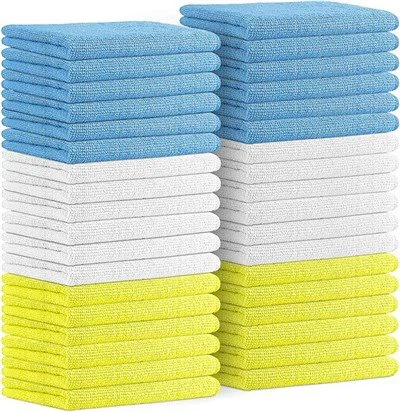
If you’re ready to make the switch, or you want more information about how our microfiber cloths can work for your gym—whether you’re a small studio with 50 members or a large gym with thousands—we’re here to help. We offer custom sizes and bulk pricing, and we can also work with you to create a cleaning schedule tailored to your gym’s specific needs. Whether you’re just curious about testing a sample set or you’re ready to place an order, we’d love to connect. Don’t settle for outdated cleaning tools that leave your equipment less clean, more smelly, and costing you more money in the long run. Microfiber is a game-changer, and it’s time your gym experienced that.
Mop Pad References
- Journal of Environmental Health. (2020). Efficacy of Microfiber Cloths vs. Disposable Paper Towels for Reducing Bacterial Load on Commercial Gym Equipment.
- University of Arizona Department of Environmental Science. (2019). Persistence of Pathogenic Bacteria on Common Gym Surfaces.
- European Journal of Environmental Sciences. (2021). Hygienic Performance of Properly Laundered Microfiber Cleaning Cloths vs. Disposable Wipes.
- Occupational and Environmental Medicine. (2018). Microfiber Textiles for Reducing Germ Exposure in High-Traffic Public Spaces.
Shanghai Zhaotine Smart Home Company Limited
We’re well-known as one of the leading microfiber cleaning cloth manufacturers and suppliers in China, specialized in providing high quality customized products. We warmly welcome you to wholesale bulk high quality microfiber cleaning cloth made in China here from our factory.
Address: Huanjing town, luhe town, textile industrial zone, Jiangsu province, China
E-mail: doris@zhaotine.com
WebSite: https://www.clean-wow.com/
