When it comes to generators, the shaft is a critical component that plays a pivotal role in the overall performance and reliability of the system. As a generator shaft supplier, I’ve had the privilege of working with a wide range of power ratings, from small portable generators to large industrial powerhouses. In this blog post, I’ll delve into the key differences between generator shafts for different power ratings, exploring the design, materials, and manufacturing processes that set them apart. Generator Shaft
Design Considerations
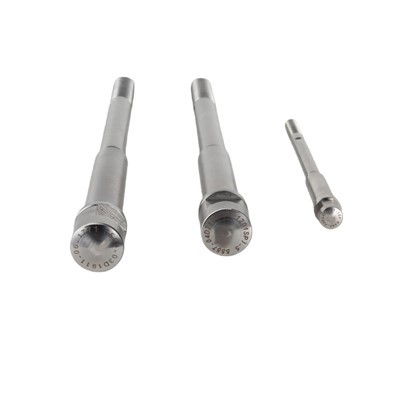
The design of a generator shaft is heavily influenced by the power rating of the generator. For low-power generators, such as those used in residential or small commercial applications, the shaft can be relatively simple in design. These shafts typically have a smaller diameter and shorter length, as they don’t need to transmit as much torque or withstand as much stress. They may also have a more basic shape, with fewer complex features or attachments.
On the other hand, high-power generators, such as those used in industrial or utility-scale applications, require a more robust and sophisticated shaft design. These shafts are typically larger in diameter and longer in length, as they need to transmit a significant amount of torque and withstand high levels of stress. They may also have additional features, such as keyways, splines, or flanges, to ensure a secure connection to the generator’s other components.
Another important design consideration is the balance of the shaft. A well-balanced shaft is essential for smooth operation and reduced vibration, which can extend the lifespan of the generator and improve its overall performance. For low-power generators, a simple static balance may be sufficient. However, for high-power generators, a dynamic balance is often required to ensure that the shaft is balanced at high speeds.
Materials Selection
The choice of materials for a generator shaft is also influenced by the power rating of the generator. For low-power generators, materials such as mild steel or aluminum may be sufficient. These materials are relatively inexpensive and easy to machine, making them a cost-effective option for small-scale applications.
However, for high-power generators, more advanced materials are typically required. These materials need to have high strength, toughness, and fatigue resistance to withstand the high levels of stress and torque generated by the generator. Common materials used for high-power generator shafts include alloy steels, such as 4140 or 4340, and stainless steels, such as 304 or 316.
In addition to the base material, the surface finish of the shaft is also important. A smooth surface finish can reduce friction and wear, improving the efficiency and lifespan of the shaft. For high-power generators, a polished or coated surface finish may be used to further enhance the performance of the shaft.
Manufacturing Processes
The manufacturing processes used to produce a generator shaft also vary depending on the power rating of the generator. For low-power generators, simple manufacturing processes, such as turning or milling, may be sufficient. These processes are relatively inexpensive and can be used to produce shafts with a basic shape and dimensions.
However, for high-power generators, more complex manufacturing processes are typically required. These processes may include forging, heat treatment, and precision machining. Forging is a process that involves shaping the shaft by applying pressure to a heated piece of metal. This process can improve the strength and toughness of the shaft, making it more suitable for high-stress applications.
Heat treatment is another important process for high-power generator shafts. This process involves heating the shaft to a specific temperature and then cooling it at a controlled rate to improve its mechanical properties. Heat treatment can increase the strength, hardness, and fatigue resistance of the shaft, making it more durable and reliable.
Precision machining is also essential for high-power generator shafts. This process involves using advanced machining techniques, such as CNC machining, to produce shafts with high accuracy and tight tolerances. Precision machining can ensure that the shaft fits perfectly into the generator’s other components, reducing vibration and improving the overall performance of the system.
Performance and Reliability
The differences in design, materials, and manufacturing processes between generator shafts for different power ratings have a significant impact on their performance and reliability. Low-power generator shafts are typically less expensive and easier to manufacture, but they may not be able to withstand the high levels of stress and torque generated by high-power generators. As a result, they may have a shorter lifespan and require more frequent maintenance.
High-power generator shafts, on the other hand, are designed to withstand the high levels of stress and torque generated by high-power generators. They are typically made from more advanced materials and manufactured using more complex processes, which makes them more expensive and difficult to produce. However, they also offer superior performance and reliability, with a longer lifespan and less frequent maintenance requirements.
Conclusion

In conclusion, the differences between generator shafts for different power ratings are significant and can have a major impact on the performance and reliability of the generator. As a generator shaft supplier, I understand the importance of selecting the right shaft for each application. By considering the design, materials, and manufacturing processes, we can ensure that our customers receive a high-quality shaft that meets their specific needs and requirements.
Valve Shaft If you’re in the market for a generator shaft, I encourage you to contact us to discuss your options. Our team of experts can help you select the right shaft for your application and provide you with a competitive quote. We look forward to working with you to meet your generator shaft needs.
References
- ASME Standard B106.1M – Steel Forgings for General Industrial Use
- ASTM Standard A29/A29M – Standard Specification for Steel Bars, Carbon and Alloy, Hot-Wrought
- ISO Standard 1940-1 – Mechanical Vibration – Balance Quality Requirements for Rotors in a Constant (Rigid) State – Part 1: Specification and Verification of Balance Tolerances
Ningbo Uni-drive Technology Co., Ltd.
Ningbo Uni-drive Technology Co., Ltd. is one of the most professional generator shaft manufacturers and suppliers in China. Please feel free to buy cheap generator shaft made in China here and get pricelist from our factory. All customized products are with high quality and competitive price.
Address: Industrial Site No. 6, Jingtou Village, Sanqi Town, Yuyao City, Zhejiang Province
E-mail: admin@uni-drive.com.cn
WebSite: https://www.motordriveshaft.com/
