Are bent bars more effective for climbing on a bike road? Bike Road Bent Bar
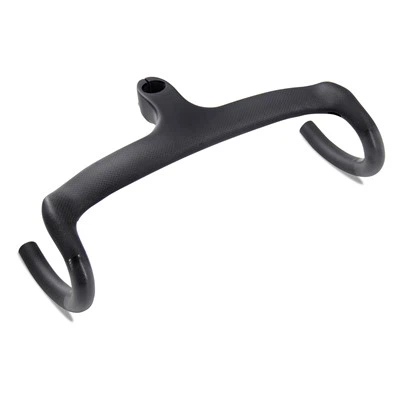
As a supplier of bike road bent bars, I’ve been deeply involved in the cycling industry for quite some time. Over the years, I’ve witnessed numerous discussions and debates among cyclists about the effectiveness of bent bars when it comes to climbing on bike roads. In this blog, I’ll share my insights based on scientific knowledge, real – world experiences, and customer feedback.
The Mechanics of Climbing on a Bike Road
Before delving into the effectiveness of bent bars, it’s crucial to understand the mechanics of climbing on a bike road. When climbing, cyclists face increased resistance due to gravity. The steeper the incline, the more power is required to maintain forward motion. A cyclist’s ability to generate power depends on several factors, including their physical strength, pedaling technique, and the position on the bike.
The traditional straight handlebars offer a relatively straightforward riding position. Cyclists can grip the bars in different ways, such as on the tops, hoods, or drops. However, each of these positions has its limitations when it comes to climbing. For example, the position on the tops may not provide enough leverage for efficient power transfer, while the drops might be too aerodynamic and not ideal for the slower – paced climbing.
How Bent Bars Can Improve Climbing
Bent bars, on the other hand, offer a unique set of advantages for climbing. One of the primary benefits is the improved leverage. The shape of bent bars allows cyclists to place their hands in a position where they can exert more force on the pedals. When climbing, the body weight is shifted forward, and having a better grip on the handlebars can help transfer this weight more effectively to the pedals.
Another advantage is the enhanced comfort. Climbing can be a strenuous activity, and a comfortable riding position is essential to maintain performance. Bent bars often have a more ergonomic design, which can reduce stress on the wrists, shoulders, and back. This means that cyclists can stay in the saddle for longer periods without experiencing excessive fatigue, allowing them to maintain a consistent climbing pace.
In addition, bent bars can also improve the cyclist’s balance. When climbing, maintaining balance is crucial, especially on uneven or steep terrain. The shape of bent bars provides a more stable grip, which can help cyclists better control their bikes and navigate through challenging climbs.
Scientific Evidence
There have been several studies conducted on the effectiveness of different handlebar designs in cycling. While there isn’t an overwhelming amount of research specifically focused on bent bars for climbing, some general principles can be applied.
A study published in the Journal of Sports Science and Medicine examined the relationship between handlebar position and power output. The researchers found that cyclists were able to generate more power when their hands were in a position that allowed for better leverage. This supports the idea that bent bars, which are designed to optimize hand position, can potentially increase power output during climbing.
Another aspect to consider is the impact of handlebar design on muscle activation. A study in the European Journal of Applied Physiology looked at how different handlebar positions affected the activation of various muscles in the upper body. The results showed that certain handlebar positions could lead to more efficient muscle activation, reducing fatigue and improving performance. Bent bars, with their unique shape, may be able to promote more efficient muscle activation during climbing.
Real – World Experiences
I’ve received a lot of feedback from cyclists who have used our bike road bent bars. Many of them have reported significant improvements in their climbing performance. One cyclist, John, who regularly participates in hill – climbing races, said that after switching to bent bars, he was able to maintain a higher cadence on steep climbs. He also noticed that his hands and shoulders felt less fatigued, allowing him to push harder towards the summit.
Another customer, Sarah, who uses her bike for daily commuting on hilly terrain, mentioned that the bent bars made her climbs much more enjoyable. She found that the improved leverage and comfort made it easier to tackle the hills, even on days when she wasn’t feeling at her best.
Potential Drawbacks
While bent bars offer many advantages for climbing, it’s important to acknowledge that they may not be suitable for every cyclist. Some cyclists may find it difficult to adjust to the new riding position. The shape of bent bars is different from traditional straight bars, and it may take some time for cyclists to get used to the new hand placement and grip.
In addition, bent bars may not be as aerodynamic as some other handlebar designs. For cyclists who are primarily focused on speed on flat terrain, the reduced aerodynamics of bent bars may be a drawback. However, when it comes to climbing, where speed is often sacrificed for power, this may not be a significant concern.
Making the Decision
Whether bent bars are more effective for climbing on a bike road depends on several factors. Cyclists need to consider their own riding style, physical condition, and the type of terrain they typically encounter. If you’re someone who frequently climbs steep hills and values comfort, leverage, and balance, then bent bars may be a great option for you.
If you’re interested in trying out our bike road bent bars, I encourage you to get in touch with us. We can provide you with more information about our products, including the different models available and their features. Our team of experts can also offer advice on which bent bars would be most suitable for your specific needs.

In conclusion, based on scientific evidence, real – world experiences, and the unique design features of bent bars, they can be a highly effective choice for climbing on a bike road. They offer improved leverage, comfort, and balance, which can enhance a cyclist’s performance and enjoyment during climbs.
Triathlon Handlebar References
- Journal of Sports Science and Medicine. "Relationship between handlebar position and power output in cycling."
- European Journal of Applied Physiology. "Effect of different handlebar positions on muscle activation in cycling."
Hunan Yecheng Technology Co., Ltd.
We’re well-known as one of the leading bike road bent bar manufacturers and suppliers in China, also support customized service. Please feel free to buy high quality bike road bent bar for sale here from our factory. For more information, contact us now.
Address: Changsha, Hunan Province, China.
E-mail: info@rxlsl.com
WebSite: https://www.rxlsl.com/
