RF coaxial cables are the unsung heroes of modern communication systems, playing a pivotal role in transmitting radio frequency signals across various industries. From telecommunications and broadcasting to aerospace and military applications, the reliability of RF coaxial cables is crucial for seamless operation. However, like any other technology, these cables are prone to failures that can disrupt signal transmission and cause significant downtime. As an RF coaxial cable supplier, I understand the challenges that come with troubleshooting these failures. In this blog, I will share some insights and practical tips on how to troubleshoot RF coaxial cable failures effectively. RF Coaxial Cable
Understanding the Basics of RF Coaxial Cables
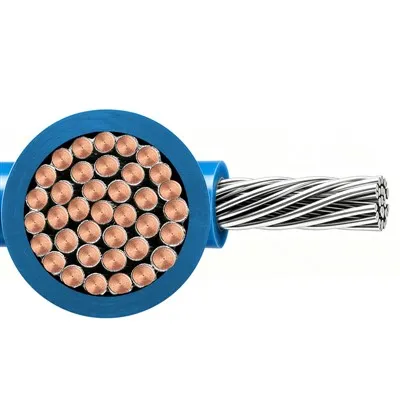
Before delving into troubleshooting techniques, it’s essential to have a basic understanding of how RF coaxial cables work. An RF coaxial cable consists of a central conductor, an insulating layer, a metallic shield, and an outer jacket. The central conductor is responsible for carrying the RF signal, while the insulating layer prevents the signal from leaking out. The metallic shield provides electromagnetic shielding, protecting the signal from external interference. The outer jacket provides mechanical protection and insulation.
The performance of an RF coaxial cable is determined by several factors, including its characteristic impedance, attenuation, return loss, and voltage standing wave ratio (VSWR). Characteristic impedance is the ratio of the voltage to the current in the cable, and it is typically 50 or 75 ohms. Attenuation refers to the loss of signal strength as it travels through the cable, while return loss measures the amount of signal that is reflected back from the end of the cable. VSWR is a measure of how well the cable is matched to the load, and it is expressed as a ratio.
Common Causes of RF Coaxial Cable Failures
RF coaxial cable failures can be caused by a variety of factors, including physical damage, environmental factors, improper installation, and aging. Here are some of the most common causes of RF coaxial cable failures:
- Physical Damage: Physical damage to the cable, such as cuts, kinks, or bends, can cause the central conductor or the shield to break, leading to signal loss or interference.
- Environmental Factors: Exposure to extreme temperatures, humidity, or chemicals can damage the cable’s insulation or shield, causing signal degradation or failure.
- Improper Installation: Incorrect installation of the cable, such as improper termination or grounding, can cause impedance mismatches, signal reflections, or interference.
- Aging: Over time, the cable’s insulation and shield can degrade due to normal wear and tear, leading to signal loss or interference.
Troubleshooting RF Coaxial Cable Failures
When troubleshooting RF coaxial cable failures, it’s important to follow a systematic approach. Here are some steps you can take to troubleshoot RF coaxial cable failures effectively:
Step 1: Identify the Problem
The first step in troubleshooting RF coaxial cable failures is to identify the problem. This can be done by observing the symptoms, such as signal loss, interference, or poor performance. You can also use test equipment, such as a spectrum analyzer, a network analyzer, or a cable tester, to measure the cable’s performance and identify any issues.
Step 2: Check the Physical Condition of the Cable
Once you have identified the problem, the next step is to check the physical condition of the cable. Look for any signs of physical damage, such as cuts, kinks, or bends. Check the connectors for any signs of damage or corrosion. Make sure the cable is properly installed and terminated.
Step 3: Measure the Cable’s Performance
After checking the physical condition of the cable, the next step is to measure the cable’s performance. Use a cable tester or a network analyzer to measure the cable’s characteristic impedance, attenuation, return loss, and VSWR. Compare the measured values with the specifications provided by the manufacturer. If the measured values are outside the specifications, the cable may be defective.
Step 4: Check the Connectors
The connectors are an important part of the RF coaxial cable system, and they can often be the source of problems. Check the connectors for any signs of damage or corrosion. Make sure the connectors are properly installed and tightened. Use a torque wrench to ensure that the connectors are tightened to the correct torque specification.
Step 5: Check the Grounding
Proper grounding is essential for the performance of an RF coaxial cable system. Check the grounding of the cable and the equipment to ensure that it is proper. Make sure the grounding conductor is properly connected and that there are no breaks or loose connections.
Step 6: Replace the Defective Components
If you have identified a defective component, such as a cable or a connector, replace it with a new one. Make sure the replacement component is compatible with the existing system and that it meets the specifications provided by the manufacturer.
Tips for Preventing RF Coaxial Cable Failures
Preventing RF coaxial cable failures is always better than troubleshooting them. Here are some tips for preventing RF coaxial cable failures:
- Use High-Quality Cables: Invest in high-quality RF coaxial cables that are designed for your specific application. High-quality cables are less likely to fail and will provide better performance over time.
- Proper Installation: Make sure the cables are installed correctly, following the manufacturer’s instructions. Improper installation can cause impedance mismatches, signal reflections, or interference.
- Regular Maintenance: Perform regular maintenance on the cables and the equipment to ensure that they are in good working condition. This includes checking the physical condition of the cables, measuring their performance, and cleaning the connectors.
- Environmental Protection: Protect the cables from environmental factors, such as extreme temperatures, humidity, or chemicals. Use cable trays, conduits, or protective sleeves to protect the cables from physical damage.
Conclusion
Troubleshooting RF coaxial cable failures can be a challenging task, but with the right knowledge and tools, it can be done effectively. By following the steps outlined in this blog and taking preventive measures, you can minimize the risk of RF coaxial cable failures and ensure the reliable performance of your communication systems.
Control Cable Low Voltage If you’re experiencing issues with your RF coaxial cables or need help with troubleshooting, don’t hesitate to contact us. As a leading RF coaxial cable supplier, we have the expertise and experience to provide you with the solutions you need. We offer a wide range of high-quality RF coaxial cables and accessories, as well as technical support and training. Contact us today to learn more about our products and services and to discuss your specific requirements.
References
- "RF Coaxial Cable Handbook" by Andrew Corporation
- "Microwave Engineering" by David M. Pozar
- "Telecommunications Cabling Installation Manual" by BICSI
Yangzhou Huayu Cable Co., Ltd.
Yangzhou Huayu Cable Co., Ltd. is one of the most professional rf coaxial cable manufacturers and suppliers in China, also supports customized service with low price. Please feel free to wholesale advanced rf coaxial cable made in China here from our factory. Contact us for pricelist.
Address: No. 9 Jingang Road, Yangzhou City, Jiangsu Province, China
E-mail: huayucableco@126.com
WebSite: https://www.huayucabletech.com/
