Hey there! As a supplier of air flotation machines, I’ve seen firsthand how these nifty contraptions can be a real game – changer in various industries, from wastewater treatment to mineral processing. But here’s the deal: operating an air flotation machine safely is super important. Not only does it keep you and your crew out of harm’s way, but it also ensures the machine runs smoothly and efficiently. So, let’s dive into how you can do just that. Air Flotation Machine

Pre – operation Checks
Before you even think about firing up the air flotation machine, you’ve gotta do a thorough pre – operation check. It’s like giving your car a once – over before a long road trip.
Visual Inspection
First off, take a good look at the whole machine. Check for any obvious signs of damage, like cracks, leaks, or loose parts. Inspect the tank for any dents or corrosion that could affect its integrity. If you spot something that looks off, don’t just ignore it. Fix it right away or call in a professional to handle it.
Also, make sure all the connections are tight. Loose pipes or electrical connections can not only be a safety hazard but also cause the machine to malfunction. Check the hoses and tubing for any kinks or blockages too. A clogged hose can mess up the flow of water and air, which is crucial for the machine’s operation.
Equipment Testing
Next, test all the individual components of the machine. Start with the pumps. Turn them on and listen for any strange noises. A rattling or grinding sound could mean there’s something wrong with the pump’s bearings or impeller. Check the pressure gauges to make sure the pumps are operating at the correct pressure.
The air compressor is another key component. Check if it’s producing enough air and that the air distribution system is working properly. You can do this by looking for bubbles in the flotation tank. If there aren’t enough bubbles or if they seem unevenly distributed, there might be an issue with the compressor or the air diffusers.
And don’t forget about the control panel. Test all the switches and sensors to ensure they’re responsive. Faulty sensors can give incorrect readings, which could lead to improper operation of the machine and potentially dangerous situations.
During Operation
Once you’ve given the machine a clean bill of health during the pre – operation checks, it’s time to start it up. But you still need to be vigilant during operation.
Monitoring
Keep a close eye on all the operating parameters. This includes the water level in the flotation tank, the pressure of the pumps and the compressor, and the flow rate of the water and air. Most air flotation machines come with built – in gauges and sensors, so use them to your advantage.
If you notice any sudden changes in these parameters, stop the machine immediately. For example, if the water level starts dropping too quickly or the pressure in the pump spikes, there could be a serious problem. It’s better to be safe than sorry.
Safety Protocols
Always follow the safety protocols. Wear the appropriate personal protective equipment (PPE), such as safety glasses, gloves, and hard hats. If you’re working around chemicals that are used in the flotation process, wear chemical – resistant clothing and a respirator if necessary.
Make sure there are no unauthorized personnel around the machine while it’s in operation. Post clear warning signs to prevent people from getting too close. And if there’s an emergency stop button, know where it is and how to use it.
Maintenance During Operation
During operation, you might need to do some minor maintenance tasks. For example, you may need to clean the air diffusers if they get clogged with debris. But make sure you follow the proper procedures for doing this. Shut down the machine and isolate the relevant part before you start cleaning. Never try to clean or adjust a moving part while the machine is running.
Post – operation Procedures
After you’re done using the air flotation machine, there are a few important post – operation procedures you should follow.
Shutdown
Shut down the machine in the correct order. Usually, you’ll want to turn off the pumps first, then the air compressor. This helps prevent any backflow or pressure build – up in the system.
Once the machine is shut down, wait for a few minutes to let it cool down. Operating parts can get very hot during use, and you don’t want to burn yourself when you start doing the post – operation checks.
Cleaning
Clean the machine thoroughly. Remove any debris or sludge that has accumulated in the flotation tank. Use a suitable cleaning agent to clean the internal components, but make sure it’s compatible with the materials used in the machine.
Clean or replace the filters. Clogged filters can affect the performance of the machine and reduce its lifespan. A good rule of thumb is to check and clean the filters after every few uses, depending on the amount of debris in the water.
Inspection
Do another inspection of the machine. Look for any new signs of damage that might have occurred during operation. Check the seals and gaskets for any signs of wear or leakage. If you notice any issues, make a note of them and schedule repairs as soon as possible.
Training Your Staff
If you have a team working with the air flotation machine, it’s crucial to provide them with proper training. Everyone should know how to operate the machine safely, how to do the pre – operation checks, and what to do in case of an emergency.
Hands – on Training
Arrange for hands – on training sessions. Let your staff practice operating the machine under the supervision of an experienced operator. This way, they can get a feel for how the machine works and learn the proper techniques.
Safety Training
Include safety training in the curriculum. Teach your staff about the potential hazards associated with operating the air flotation machine and how to avoid them. Make sure they understand the importance of wearing PPE and following the safety protocols.
Regular Refresher Courses
Don’t just train your staff once and forget about it. Schedule regular refresher courses to keep their knowledge and skills up – to – date. The technology used in air flotation machines is constantly evolving, and new safety procedures may be introduced over time.
Troubleshooting
Even with the best maintenance and operation practices, problems can still occur. Here are some common issues you might encounter and how to troubleshoot them.
Low Bubble Production
If you’re not getting enough bubbles in the flotation tank, it could be due to a few reasons. First, check the air compressor. Make sure it’s running at the correct pressure and that there are no leaks in the air supply system. You might also need to clean or replace the air diffusers if they’re clogged.
Poor Separation Efficiency
If the machine isn’t separating the solids from the liquid as effectively as it should, check the chemical dosing system. Make sure the right amount of flocculants and coagulants are being added to the water. Also, check the flow rate of the water. If it’s too high, the solids might not have enough time to attach to the bubbles.
Leaks
Leaks can occur in the pipes, valves, or the flotation tank itself. If you notice a leak, shut down the machine immediately. Check the connections and tighten any loose bolts or fittings. If the leak is coming from a damaged pipe or valve, you’ll need to replace it.
Conclusion
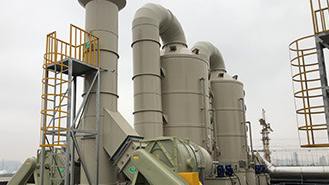
Operating an air flotation machine safely is all about being proactive. Do your pre – operation checks, monitor the machine during operation, follow the post – operation procedures, train your staff, and know how to troubleshoot common issues. By doing all these things, you can ensure the safety of your team, the longevity of your machine, and the efficiency of your operations.
Fenton Reactor If you’re in the market for a new air flotation machine or need to upgrade your existing one, we’re here to help. We’ve got a wide range of high – quality air flotation machines that are designed to meet your specific needs. Contact us today to start a conversation about your requirements, and let’s work together to find the perfect solution for you.
References
- "Wastewater Treatment Technology Handbook"
- "Mineral Processing Plant Design"
- Industry – specific safety guidelines and regulations
Jinan Guangbo Environmental Protection Technology Co., Ltd.
We’re well-known as one of the leading air flotation machine manufacturers and suppliers in China. With a professional production team, we are able to meet the needs of the majority of our customers. Please feel free to buy high quality air flotation machine from our factory.
Address: No. 102, Commercial and Residential Building, 18th Floor, Tangye Academician Valley, Tangye Sub-district, Licheng District, Jinan City
E-mail: info@gbwwt.com
WebSite: https://www.gbwwt.com/
