Hey guys, let’s cut to the chase—if you’ve spent any time around specialty food products lately, you’ve probably stumbled upon black garlic. It’s not the sharp, pungent stuff you add to pasta or rub on steak; no, this is the fermented cousin that’s sweet, syrupy, and has this deep, umami richness that’s kinda addictive. I’m the lead buyer for our company’s Black Garlic Series, and honestly, one question comes up every single week from restaurant chefs, home bakers, and even random foodies sliding into my DMs: “Can I actually use this black garlic stuff in desserts?” Black Garlic Series

At first, I’ll admit, I side-eyed this question. I grew up eating black garlic tossed into savory stir-fries, blended into dressings, even spread on toast with goat cheese—so the idea of shoving it into something sweet like cookies or cake felt like… blasphemy? But then I tested it for myself. I grabbed our small-batch black garlic puree, stirred a spoonful into a dark chocolate mousse, and wow. It didn’t taste like garlic at all—wait, no, it did, but in the best way. It amplified the chocolate, cut through the richness, and added this warm, earthy depth that made the mousse feel fancy, like something you’d get at a Michelin-starred spot. That’s when I realized: we’ve all been sleeping on the Black Garlic Series’s sweet side.
Let’s break this down, no fancy lab jargon, just the real tea on how black garlic works for desserts, why our Black Garlic Series is perfect for this, and actual, doable ways to use it (I’ll even throw in a couple of bad ideas we tried so you don’t have to). First, a quick crash course on black garlic for anyone new: it’s regular garlic that’s been fermented at low temp and high humidity for 30-45 days. That process breaks down all the harsh allicin (that’s the stuff that makes raw garlic burn your throat) into fructose and amino acids. So it’s not just “garlic that’s black”—it’s got a molasses-like sweetness, a hint of balsamic, and that umami kick. Umami is the fifth taste, right? The one that makes food feel satisfying, not just sweet or salty. That’s why it works in desserts—it balances sweetness without adding that “I ate a clove of garlic” aftertaste.
Now, why our Black Garlic Series specifically? We don’t just sell plain black garlic cloves—we’ve got a full line tailored for every food use: the soft, whole fermented cloves for spreading or garnishes, the smooth puree that’s ready to mix into anything, and even a black garlic paste with a touch of honey for those who want a pre-sweetened base. For desserts, the puree is our MVP. It’s consistent—no weird fibrous bits that’ll mess up cake batter—and it’s pre-fermented so you don’t have to wait around for days to get that sweet, earthy flavor. We also test every batch to make sure there’s zero residual sharpness, so even first-timers won’t be shocked by a garlicky surprise in their tiramisu.
Let’s talk actual dessert wins, because actions speak louder than words. Last month, a pastry chef client of ours made a black garlic dark chocolate torte using our puree—she stirred two tablespoons into the ganache layer, and it went viral on her Instagram. The comments were split at first: “Garlic in cake?” but then hundreds replied, “It’s so good, I can’t even taste the garlic.” Wait, can you taste it? Yeah, if you’re looking for it, it’s that deep, warm undertone—but it’s not like biting into a raw clove. It’s more like adding a secret ingredient that makes the dessert feel intentional, not just another chocolate treat.
I’ve tested a bunch of stuff too: black garlic caramel (swap a spoonful of our puree for a bit of the sugar when you’re making caramel—trust me, it cuts the cloying sweetness), black garlic cream cheese frosting for red velvet cupcakes (add a teaspoon of puree to your regular frosting, and it makes the tang of cream cheese pop), even black garlic ice cream (blend our whole cloves into the ice cream base before churning—pair it with salted caramel, and you’ve got a dessert that’ll have people asking for your recipe). We even helped a bakery make a black garlic apple crisp last fall—they mixed our puree into the apple filling, and it made the cinnamon and apples taste brighter, not duller.
Now, let’s be real—there are bad ways to do this. We tested adding our black garlic to a strawberry shortcake once, and it was a no-go. Strawberry is bright, floral, and super sweet, and black garlic’s deep umami just clashed. Also, don’t dump a quarter cup of puree into a batch of cookies if you’ve never tried it before—start small, like a teaspoon or two, and build from there. Pro tip: pair black garlic with strong, bold dessert flavors that can hold their own—dark chocolate, coffee, caramel, cinnamon, even blue cheese (wait, blue cheese and black garlic is chef’s kiss in a tart).
Here’s the science part that makes all this work, because I know you guys want to back up your recipes. Black garlic’s fermentation breaks down alliin, a compound in raw garlic, into S-allyl cysteine (SAC), which is an antioxidant, and fructose. That fructose is why it’s sweet—fermentation actually converts the garlic’s starches into sugar, so black garlic is about twice as sweet as raw garlic. The umami comes from glutamate, which is the same stuff in soy sauce and mushrooms. When you add umami to a sweet dessert, it stimulates your taste buds to pick up more nuance—so it doesn’t just taste “sweet” anymore, it has layers. It’s why a tiny bit of salt in chocolate chip cookies makes them better—this is like that, but deeper and warmer.
Our Black Garlic Series is designed for this exact versatility, by the way. We source our garlic from organic farms in Oregon, ferment it for exactly 35 days (we tested shorter fermentations—they’re too sharp, longer ones get too mushy), and process it without any additives. No preservatives, no extra sugar, just garlic and time. That means when you use our puree in desserts, you’re getting a clean, balanced flavor that doesn’t taste like a processed food product. A lot of other black garlic brands add salt or vinegar to their puree, which can mess up dessert recipes—we keep ours plain, so you control the sweetness and seasonings.
I know a lot of home bakers are worried about trying something “weird” or “unproven” for desserts, especially when it comes to a ingredient that’s usually savory. But here’s the thing: the best culinary innovations come from people taking risks. When I first started working with black garlic, no one was putting it in desserts, and now we get calls every week from bakers asking for more of our puree because their customers keep asking for it. It’s not a trend that’s gonna fizzle out—umami and sweet are a match made in heaven, and black garlic is the perfect way to add that without being heavy.
Let’s wrap this up with some quick tips if you wanna test this at home: 1) Start small—1 tsp of puree for a batch of cupcakes, 2 tbsp for a ganache, don’t go overboard. 2) Pair it with bold flavors (dark chocolate, coffee, caramel) not delicate ones (strawberry, vanilla). 3) Use our puree for smooth, even flavor—whole cloves work great for ice cream or garnishes. 4) Don’t overthink it—if it smells good mixed into the base, it’ll taste good.
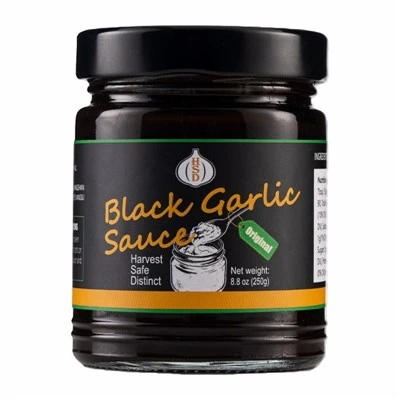
If you’re a professional chef, bakery owner, or even a home cook looking to level up your desserts with a unique ingredient that’s actually proven to work, we’ve got you. Our Black Garlic Series is available in bulk and small batches, with custom packaging if you need it for your brand. We also share free recipes for black garlic desserts with every order, so you don’t have to figure it out alone. If you wanna chat more about how our black garlic can fit into your dessert menu or home baking, reach out to us to connect for a supply chat—we’re here to help you make something that tastes amazing, no weird garlic aftertaste required.
Dehydrated Garlic References
- Chang, S. K., et al. (2006). Antioxidant properties of black garlic fermented garlic. Journal of Agricultural and Food Chemistry.
- Fushiya, S. (2005). Effect of fermentation on the constituents of garlic (Allium sativum L.). Journal of Nutritional Science and Vitaminology.
- Drake, M. A. (2007). Umami: A taste beyond sweet, sour, salty, and bitter. Food Technology.
Jiangsu Foodmeritt Biotech Inc.
Jiangsu Foodmeritt Biotech Inc. is one of the most professional black garlic manufacturers and suppliers in China, featured by high quality customized products. Please rest assured to wholesale bulk BRC approved black garlic from our factory. Welcome to contact us for quotation.
Address: No.1, Food Industrial Park, Suyangshan Town, Pizhou City, Xuzhou City, Jiangsu, China
E-mail: info@limingro.com
WebSite: https://www.foodmeritt.org/
