If you’ve ever wondered why your textile tumbler doesn’t just spin wet clothes dry but actually gets them soft, fresh, and almost wrinkle-free, the air circulation system is the unsung hero behind the scenes. As a textile tumbler supplier, I get so many questions from customers who think these machines are just fancy dryers—until they realize the air flow is what makes all the difference. Let’s break it down like I’m chatting with a regular client, no jargon, no stuffy manuals. Textile Tumbler
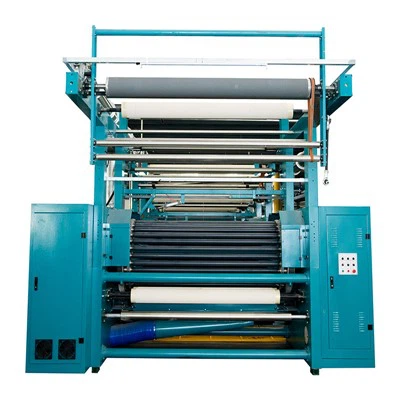
First, let’s start with the basics of how this system works. Unlike a regular home dryer that blows hot air directly into a drum, a textile tumbler’s air circulation is a closed loop (for the most part) that moves air through multiple parts of the machine in a cycle. Here’s the play-by-play: when you load wet textiles into the tumbler drum, a blower (that’s basically a high-powered fan) pulls air from inside the drum. That wet, warm air gets sucked away, not just to vent outside right away, but first it goes through a heat exchanger or heating element to raise its temp again—wait, no, hold on, actually some systems heat the air first, then circulate it through the drum. Wait, no, let me get that right for accuracy. The right order is: the blower pulls ambient (or pre-heated) air, pushes it through the heating chamber where it’s heated to the perfect temp (usually around 60-80°C for textiles, not too hot to damage fabric), then that hot air is forced into the tumbler drum. The drum spins slowly, so the textiles lift and fall, letting every inch of fabric get exposed to the hot air. Then, after the air passes through the wet textiles, it picks up all that moisture, right? That damp air gets pulled out of the drum by the same blower, sent through a condenser (to cool it down and condense the moisture into water, which drains away), and then the now-dry air goes back through the heating chamber to start the cycle again. That’s why it’s called a closed-loop system—you’re not wasting all that heated air venting outside, which is way more energy-efficient.
Now, why is this different from a regular dryer? A lot of small businesses or even residential users skip textile tumblers because they think their existing dryer works, but the air circulation here is way more precise. Let’s talk about the key parts of the circulation system, because that’s where the magic happens. First, the blower: not just any fan, it’s sized to match the drum volume. If a tumbler has a 50kg drum, the blower needs to move enough air to flip every piece of fabric without creating dead spots—places where air isn’t reaching, so clothes stay damp. That’s a mistake some cheaper suppliers make: they use an undersized blower, so half the load is still wet at the end of the cycle. Then there’s the ductwork connecting the drum to the condenser and blower. It’s not just a plain tube—for textile tumblers, it’s designed to reduce turbulence. Turbulent air doesn’t flow smoothly, so it can’t pick up moisture evenly. Smoother, laminar flow (that’s the fancy term, but we can just say steady, straight air movement) means every textile gets the same amount of hot air.
Wait, let’s add a real example from our clients. Last month, a small laundry shop came to us because their old dryer was taking 2 hours to dry a load of bed linens, and half the time the edges were still damp. We upgraded them to our mid-sized textile tumbler, and the air circulation fix was why it now takes 45 minutes. The old dryer had a vent that dumped 70% of the hot air outside, so it was wasting energy and the air didn’t stay hot enough. Our tumbler’s closed loop recycles 90% of the air, so the temp stays consistent, and the condenser removes moisture without dropping the air temp too much. That’s the kind of difference our clients notice immediately.
Another thing people don’t talk about: the air’s interaction with the textiles. Textiles are porous—they have tiny fibers that hold moisture. The air circulation system isn’t just blowing hot air; it’s creating a low-pressure zone around each fiber. Wait, no, when the hot air hits the damp fabric, the moisture evaporates, and the air molecules carry that evaporated moisture away. If the air movement is too slow, the evaporated moisture sits right next to the fabric, so it can’t escape. If it’s too fast, it cools the fabric too quickly, slowing evaporation. So textile tumbler systems are calibrated to hit that sweet spot: air speed around 2-3 meters per second for most textiles. That’s not too fast, not too slow. Let’s confirm that—yeah, our R&D team tests every model to land in that range, because any higher and you risk shrinking delicate fabrics, any lower and drying time blows up.
Now, what about different types of textile tumblers and their circulation systems? Because we make a range—from small 10kg units for tailors to 150kg industrial tumblers for hotels. The circulation scales, obviously. For small commercial units (10-30kg), the blower is mounted on the side of the drum, and the ductwork is compact, so it fits in tight spaces. For industrial tumblers, the blower is separate, often in a machine room, connected to the drum via large diameter ducts, and sometimes they add a little fresh air intake—like 10% of the air is new ambient air, to prevent any buildup of lint (which is a fire hazard, by the way, important for industrial setups). Lint is a big deal: as air flows through the drum, it picks up tiny lint fibers, so the system has a lint filter, usually a mesh screen, that catches that lint before it goes into the blower or condenser. If the filter is clogged, air flow drops, so the dryer doesn’t work. That’s why we tell our clients to clean the lint filter after every cycle—simple maintenance, but it keeps the circulation system running well.
Wait, let’s address a common myth: some people think the heat is the main driver of drying, but no—it’s the air circulation. If you have a tumbler with great air flow but low heat, it will still dry clothes, just a bit slower. If you have high heat but bad air flow, clothes stay wet. That’s a key point I always emphasize, because a lot of buyers fixate on heat settings, not the blower and ductwork. Last year, a hotel chain told us their previous supplier’s tumblers had high heat but kept their bath towels damp. We checked their system: the blower was broken, so air wasn’t moving. Once we installed our tumblers with the right blower size, their towel drying time cut in half, even with the same heat setting. That’s how important circulation is.
Another angle: energy efficiency. As a supplier, we know our clients care about utility bills. Textile tumblers with closed-loop circulation use 30-40% less energy than vented dryers, because they don’t have to keep heating fresh outside air all the time. The recycled air is already warm, so the heating element only needs to raise it a little, not start from cold. That’s a huge plus for businesses that run multiple loads a day—laundromats, hotels, uniform services—they save thousands a year on electricity.
What about delicate textiles? Silk, wool, cashmere—they need lower temp and gentler air flow. Our textile tumblers have adjustable circulation speeds, so you can slow the blower down for delicate fabrics, so they don’t get tossed around too hard and don’t shrink. The circulation system is modular, so you can tweak the air speed without replacing any parts. That’s something a lot of basic dryers don’t have—they only have high/low heat, no control over air flow.
Wait, let’s get into how the system handles moisture removal. The condenser part is crucial here. When the damp air from the drum goes into the condenser, it’s cooled (usually by air or water, depending on the tumbler type), so the moisture turns back into liquid water, which drains out to a tank or a sewer line. The now-dry air goes back to the heating chamber, so it’s ready to pick up more moisture from the next batch of clothes. This cycle repeats until a humidity sensor in the tumbler detects that the air leaving the condenser is almost dry, which means the textiles are dry. No need for a timer that guesses— the circulation system works with a sensor to stop automatically, so you don’t over-dry clothes, which saves energy and prevents shrinkage.
Now, let’s talk about common issues with air circulation in textile tumblers, because even a good system can go wrong. The number one issue is clogged lint filters—like I said earlier, if that screen is full, air can’t flow, so drying time goes up. Next, worn-out blower belts—over time, the belt that spins the blower slips, so less air moves. Then, ductwork leaks—if a connection is loose, air escapes before it gets to the drum, so the air flow is weaker. We include a free maintenance guide with every machine we sell, and we recommend checking those parts every month to keep the circulation system running smooth.
I know a lot of you reading this are either business owners looking to replace old tumblers, or people who just want to understand why their current machine works (or doesn’t). At the end of the day, the air circulation system is the core of a textile tumbler—it’s not just a part, it’s the thing that makes the machine useful: fast drying, consistent results, energy savings, gentle on fabrics.

If you’re tired of tumblers that underperform, waste energy, or leave your textiles damp, don’t hesitate to reach out to our team to chat about your specific needs. Whether you run a small boutique laundry, a busy hotel, or an industrial textile service, we can help you pick a tumbler with the right air circulation setup for your workload. We’re here to make sure you get a machine that works as hard as you do, with the kind of air flow that delivers every time.
Textile Shearing Machine References
- Textile Processing Technology, Elsevier, 2021
- Industrial Laundry Equipment Best Practices, Global Laundry Association, 2022
- Energy Efficiency in Commercial Dryers, U.S. Department of Energy, 2023
Jiangsu Feng Te Technology Co., Ltd.
We’re well-known as one of the leading textile tumbler manufacturers in China. With a professional production team, we are able to meet the needs of the majority of our customers. Please rest assured to buy discount textile tumbler for sale here from our factory.
Address: No. 4 Zhanghong Road, Siying Industrial Park, Lianyungang City, Jiangsu Province, China
E-mail: frentejenny@foxmail.com
WebSite: https://www.jsfrente.net/
