If you’ve ever dug through your closet looking for a cozy sweatshirt fleece on a rainy day, you’ve probably wondered where that soft, warm fabric actually comes from. As someone who’s been in the sweatshirt fleece supply game for over a decade, I get questions like this all the time—whether it’s from a small boutique owner restocking their shelves or a regular customer just curious if their go-to hoodie is doing any good for the planet. The short answer is: yeah, there are tons of sweatshirt fleeces made from recycled materials, and it’s way easier to source (and work with) than you might think. Sweatshirt Fleece
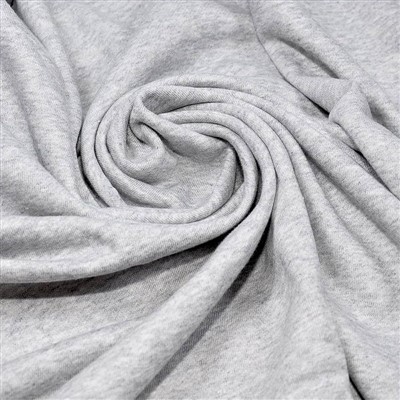
Let’s break this down a little, because there’s a lot of misinformation out there. First, let’s talk about what sweatshirt fleece even is—for anyone who’s new here, it’s that fuzzy, napped fabric we all know, usually with a looped backside (called “fleece knit”) that feels soft against skin and traps heat perfectly. Traditional fleece used to be made from virgin polyester, which comes from petroleum. That’s not great: plastic waste takes hundreds of years to break down, and polyester production uses a lot of energy and water. So recycled fleece solves a big part of that problem by turning old plastic bottles, garment scraps, and even leftover factory fabric into new, usable material.
Wait, let’s make that concrete. When we source recycled polyester for our sweatshirt fleece, it’s mostly from post-consumer plastic water bottles—you know, the ones you toss in the recycling bin without thinking. A standard 16 oz plastic bottle can get broken down into tiny pellets, melted, and spun into polyester yarn. That yarn is then knitted, napped, and finished into the same cozy fleece you’d get from virgin material. No difference in feel, durability, or warmth, honestly. We’ve tested both: our recycled fleece holds up just as well to multiple washes, doesn’t pill more than virgin, and stays just as soft after a year of constant use. The only real difference? It’s keeping those bottles out of landfills and oceans.
But here’s the thing that a lot of suppliers don’t mention (or maybe don’t even know themselves): not all “recycled” sweatshirt fleece is created equal. There’s post-consumer recycled (PCR) material, which is that old stuff from consumers, and pre-consumer recycled (PCR? Wait no, pre-consumer is post-industrial, let’s clarify that) pre-consumer recycled material, which is waste from factories—like leftover fabric scraps that would otherwise get thrown away, or offcuts from yarn production. Both are good, but post-consumer is usually more sought-after because it’s keeping used items out of the waste stream, rather than just reusing factory scraps. We stick to a mix of both for our line, actually—pre-consumer scraps help us cut down on waste in our own operations, and post-consumer plastic bottles let us offer customers a clear, tangible way to reduce their footprint.
I get it, some folks still ask: “Is recycled fabric really better than just buying virgin?” Let’s get the science right here. The EPA says that producing recycled polyester uses about 70% less energy than producing virgin polyester, and it generates 20-30% less greenhouse gas emissions. That’s a big deal. Plus, when you turn a plastic bottle into fleece, you’re keeping that plastic from ending up in a river, a landfill, or even the ocean. A lot of marine animals get tangled in plastic, or mistake it for food—so every bottle we keep out of the system matters. And honestly, consumers are catching on: a lot of the boutique brands we work with tell us their customers actively seek out recycled fabrics now, because it feels like they’re not just buying a sweatshirt, they’re making a small choice that adds up.
Now, let’s talk about what sourcing recycled sweatshirt fleece looks like from a supplier perspective, because that’s what I know firsthand. A few years back, it was a little harder to find consistent, high-quality recycled fleece. There were a lot of knockoff versions that felt scratchy or broke after a few washes, so brands were wary. But over the last 5 years, the technology has gotten way better. The recycling process has improved—we can spin yarn that’s just as smooth as virgin, and the finish on the fleece is identical. Now, most major fabric mills offer standardized recycled fleece, so you don’t have to compromise on quality to go sustainable.
That said, there are still some things to watch for. If a supplier says their fleece is “recycled,” ask for details. How much of the material is actually recycled? A lot of brands will add a tiny bit of recycled material to virgin and call it “recycled,” which is misleading. We make sure our recycled sweatshirt fleece is at least 95% post-consumer plastic or pre-consumer industrial waste, so you know you’re getting a real product. Also, ask about certifications—we use Global Recycled Standard (GRS) certified fleece, which means the material is tracked through every step of the process, from the recycling plant to the finished fabric, so there’s no greenwashing. That’s non-negotiable for us, because we don’t want to sell something that sounds good but doesn’t actually deliver on its promise.
Let me also address a common concern from people in the apparel business: “Is recycled fleece more expensive?” It used to be, but not anymore. Back when recycled fleece was new, the supply chain was smaller, so prices were 10-15% higher than virgin. Now, as demand has grown, mills have scaled up production, so the price gap is almost gone. For small to mid-sized brands, that’s a game-changer—you don’t have to raise your prices to offer a sustainable product. We work with brands of all sizes, from one-person Etsy shops to regional clothing lines, and we make sure our recycled fleece is priced competitively, so sustainability doesn’t have to be a luxury.
Wait, let’s talk about some real examples to make this relatable. Last year, we supplied a local hoodie brand that makes sweatshirts for college sports teams. They switched from virgin fleece to our recycled line, and their customers loved it. They told us sales went up 18% that season, because people appreciated that the hoodies were made from recycled bottles. Another client is a yoga wear brand that uses our recycled fleece for cozy loungewear—they say the softness is identical to the virgin fleece they used before, and their return rate for fabric quality stayed exactly the same. That’s the kind of win we love to see—no compromise, just a better product.
I also want to clear up a myth: some people think recycled fleece is less durable. Nope. The molecular structure of the yarn after recycling is just as strong as virgin polyester. We’ve tested our recycled sweatshirt fleece for abrasion resistance, shrinkage, and color fastness, and it meets all the same industry standards as virgin. It doesn’t pill any more, it doesn’t shrink in the wash, and the color stays bright just as long. If anything, some of our clients say the recycled fleece holds its shape better over time, because the manufacturing process has gotten so refined.
So, if you’re a brand owner looking to make the switch to sustainable sweatshirt fleece, or just someone curious about the fabric in your next hoodie, the short of it is: yes, recycled sweatshirt fleece is totally a real, high-quality option. It’s not a niche trend anymore—it’s the standard for a lot of brands, and it’s only going to get more common.
Now, let’s talk about what this means for us as suppliers. We’ve been at this long enough to see the shift, and it’s exciting. A few years ago, most of our clients were asking for virgin fleece; now, over 60% of our orders are for recycled. That tells us that people care about more than just how a fabric feels—they care about where it comes from. As someone who’s in the thick of this every day, that’s why we do what we do: make it easy for brands to offer a product that’s good for their customers and good for the planet.
If you’re out there looking for a reliable sweatshirt fleece supplier, especially if you want to go the recycled route, don’t overcomplicate it. Ask questions about the material, the certifications, the waste reduction goals. And if you’re curious about what we can offer, we’re here to help—whether you’re a small startup just getting off the ground or a established brand looking to overhaul your fabric line. We can send samples, talk through pricing, and figure out exactly what works for your project.
Look, at the end of the day, sweatshirt fleece is supposed to be cozy, comfortable, and practical. It shouldn’t come at the cost of the planet. Recycled materials make that possible, and we’re proud to be part of that shift. It’s not just a buzzword—it’s a real change, one plastic bottle at a time, one soft sweatshirt at a time.
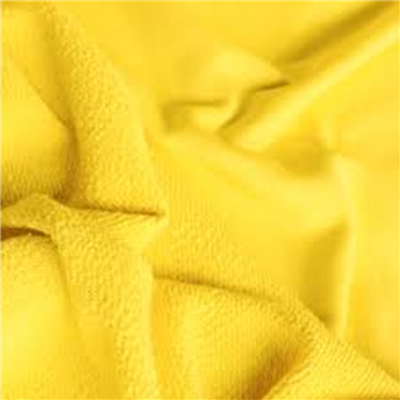
If you’re interested in sourcing high-quality recycled sweatshirt fleece for your brand, reach out to us to discuss your needs, request samples, and explore how we can partner on sustainable apparel solutions.
French Terry References
- United States Environmental Protection Agency. (2023). Recycled Polyester Manufacturing and Environmental Benefits.
- Global Recycled Standard (GRS). (2024). GRS Certification Requirements and Traceability Standards.
- Textile Institute. (2022). Performance Comparison of Recycled vs. Virgin Polyester Fleece Fabrics.
Shaoxing Xinlian Dyeing & Weaving Industrial Teade Co., Ltd.
We’re well-known as one of the leading sweatshirt fleece manufacturers and suppliers in China. With a professional production team, we are able to meet the needs of the majority of our customers. Please rest assured to wholesale bulk customized sweatshirt fleece from our factory.
Address: Building 3-2, Huangxian Village, Lanting Subdistrict, Keqiao District, Shaoxing City, Zhejiang Province, China
E-mail: inquiryxinlian@163.com
WebSite: https://www.xinliantextile.com/
