Hey there! I’m a supplier of Potassium Sorbate, and I often get asked, "How does Potassium Sorbate work against bacteria?" Well, let’s dive right into it. Potassium Sorbate

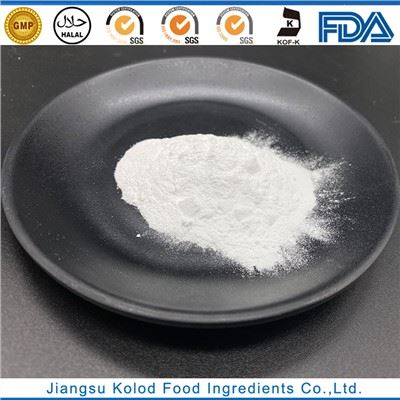
First off, what is Potassium Sorbate? It’s a salt of sorbic acid, which is a naturally – occurring unsaturated fatty acid. It’s a white, crystalline powder that’s super common in the food, cosmetic, and pharmaceutical industries. It’s used as a preservative because it’s really good at keeping things fresh and preventing spoilage.
Now, let’s talk about how it battles bacteria. Bacteria are everywhere, and they love to grow and multiply in environments that are just right for them. They need things like nutrients, the right temperature, and moisture. But when you throw Potassium Sorbate into the mix, it throws a real wrench in their plans.
One of the key ways Potassium Sorbate works is by disrupting the cell membrane of bacteria. The cell membrane is like a protective wall for the bacteria. It controls what goes in and out of the cell, and it’s crucial for the bacteria’s survival. Potassium Sorbate can penetrate this membrane, and once it’s inside, it messes with a bunch of the bacteria’s vital functions.
For example, it can interfere with the bacteria’s ability to transport nutrients. Bacteria need nutrients like sugars and amino acids to grow and energy to function. Potassium Sorbate can block the transport proteins in the cell membrane that are responsible for getting these nutrients into the cell. So, without the proper nutrients, the bacteria can’t grow or reproduce as they normally would.
Another important aspect is its effect on the bacteria’s metabolic processes. Metabolism is like the engine of the cell. It’s all the chemical reactions that happen inside the bacteria to keep it alive. Potassium Sorbate can inhibit some of the enzymes involved in these metabolic reactions. Enzymes are like the workers in a factory; they make all the important chemical reactions happen. When Potassium Sorbate inhibits these enzymes, it slows down or even stops the metabolic processes. For instance, it can disrupt the glycolysis pathway, which is how bacteria break down sugars to get energy. Without energy, the bacteria just can’t function.
The pH environment also plays a big role in how Potassium Sorbate works. Sorbic acid, the active form of Potassium Sorbate, is most effective in acidic conditions. When the pH is low, more of the Potassium Sorbate converts to sorbic acid. Sorbic acid is more lipophilic, which means it can dissolve in fats better than the potassium salt form. Since the cell membranes of bacteria have a fatty – like layer, sorbic acid can more easily penetrate the membrane and do its job. So, in acidic foods like pickles or yogurt, Potassium Sorbate works really well because the low pH helps it to be more active.
In the food industry, this is a huge deal. Food manufacturers are always looking for ways to extend the shelf – life of their products. Consumers don’t want to buy food that goes bad quickly. With Potassium Sorbate, they can add it to things like cheese, baked goods, and beverages, and keep them fresh for longer. It’s also safe for human consumption in the approved amounts. The Food and Drug Administration (FDA) has set limits on how much Potassium Sorbate can be used in different types of foods, and as long as these limits are followed, it’s considered safe.
In the cosmetic industry, it also has a similar role. Cosmetics are full of water and other ingredients that bacteria can love. Potassium Sorbate helps to prevent the growth of bacteria in products like lotions, creams, and shampoos. This not only keeps the product from spoiling but also protects the consumer from potential infections caused by bacteria in the cosmetic.
Now, let’s talk about some of the benefits of using Potassium Sorbate as a supplier. First of all, it’s cost – effective. It doesn’t take a whole lot of Potassium Sorbate to do a good job of preserving products. This means that manufacturers can save money on their production costs while still getting a high – quality preservative.
It’s also very versatile. As I mentioned, it can be used in a wide variety of industries. Whether you’re making food, cosmetics, or pharmaceuticals, Potassium Sorbate can fit the bill. It’s easy to handle and mix into different products. It dissolves well in water, so you can easily add it to liquid – based products, and it can also be incorporated into solid products like powders or tablets.
Another great thing is that it has a mild taste and odor. In food products, you don’t want a preservative that’s going to change the taste or smell of the food. Potassium Sorbate doesn’t have a strong flavor or odor of its own, so it won’t affect the sensory qualities of the product.
If you’re in an industry that needs a reliable preservative, Potassium Sorbate is definitely worth considering. I’ve seen firsthand how it can make a big difference in product quality and shelf – life. Whether you’re a small – scale producer or a large – scale manufacturer, I’m here to help you with your Potassium Sorbate needs.
If you’re interested in learning more about how Potassium Sorbate can work for your products or you’re thinking about making a purchase, I’d love to have a chat with you. Just reach out, and we can start a discussion about your specific requirements. I can offer advice on the right amount to use, how to incorporate it into your products, and any other questions you might have.
In conclusion, Potassium Sorbate is an amazing preservative that works against bacteria by disrupting their cell membranes, interfering with nutrient transport, and inhibiting metabolic processes. It’s cost – effective, versatile, and safe. So, if you’re looking for a way to keep your products fresh and free from bacteria, give Potassium Sorbate a try. Let’s start a conversation about how it can work for you and your business.
Potassium Sorbate References:
- "Food Additive Database," Food and Drug Administration
- "Cosmetic Ingredient Review," Cosmetic, Toiletry, and Fragrance Association
Jiangsu Kolod Food Ingredients Co., Ltd.
As one of the most professional potassium sorbate manufacturers and suppliers in China, we’re featured by quality products and good price. Please rest assured to wholesale bulk potassium sorbate made in China here and get free sample from our factory. Customized orders are welcome.
Address: South Side of Weier Road, Guanyun Development Zone, Lianyungang City, Jiangsu Province, China
E-mail: sales1399@jskolod.com
WebSite: https://www.kolod-group.com/
