Hey there! I’m a supplier of knitting machines, and today I wanna chat about one of the most common questions I get asked: What is the weight capacity of a knitting machine? It’s a crucial factor, whether you’re a small – scale crafter or running a big – time textile business. Knitting Machine
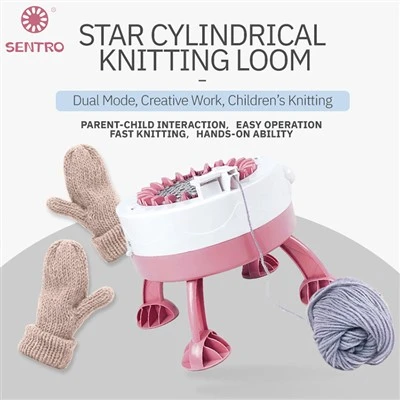
Let’s start by understanding what we mean by "weight capacity" when it comes to knitting machines. Simply put, it refers to the maximum weight of yarn that the machine can handle smoothly during the knitting process. This isn’t just about how much yarn the machine can physically hold, but also about how well it can work with that amount to produce high – quality knitted items.
There are different types of knitting machines out there, and each has its own unique weight capacity. For instance, domestic knitting machines, the kind you’d find in a hobbyist’s home, usually have a lower weight capacity. They’re designed for small projects like scarves, hats, or baby blankets. These machines can typically handle around 1 – 2 pounds (0.45 – 0.9 kg) of yarn at a time. This limit is set mainly because of their smaller size and simpler mechanisms. They’re not built to deal with large spools of heavy yarn.
On the other hand, industrial knitting machines are a whole different ballgame. These beasts are used in factories to produce large volumes of knitted products, such as sweaters, socks, and upholstery fabrics. Industrial machines have a much higher weight capacity, often ranging from 10 – 50 pounds (4.5 – 22.7 kg) or even more, depending on the model. They’re equipped with powerful motors and sturdier components to manage the continuous flow of heavy yarns.
Now, you might be wondering why weight capacity matters so much. Well, if you try to use more yarn than your machine’s weight capacity, it can lead to a bunch of problems. First off, the machine might start to jam. The excess yarn can get tangled in the machine’s gears and needles, causing it to stop working or even damage its internal parts. This means costly repairs and downtime for your knitting project or business.
Secondly, using too much yarn can affect the quality of your knitted items. When the machine struggles to handle the extra weight, the tension of the yarn can become uneven. This results in a knitted fabric that has inconsistent thickness, loose stitches in some areas, and tight ones in others. Your final product might look unprofessional and won’t meet the standards you’re aiming for.
Another aspect to consider is the type of yarn you’re using. Different yarns have different weights and textures, even if they’re in the same amount. For example, a thick, chunky wool yarn will weigh more and be bulkier than a fine cotton yarn. So, even if your machine has a certain weight capacity, you need to account for the type of yarn. A knitting machine with a 2 – pound capacity for a light cotton yarn might only be able to handle 1.5 pounds of a heavy acrylic yarn.
When choosing a knitting machine, it’s important to think about your future needs. If you’re just starting out as a hobbyist, a domestic machine with a lower weight capacity might be enough for now. But if you have plans to expand your knitting projects or start a small business in the future, it might be worth investing in a machine with a higher capacity.
As a knitting machine supplier, I’ve helped many customers make the right choice. I always ask them about the types of projects they want to do, the kind of yarn they prefer, and their long – term goals. This way, I can recommend a machine that not only fits their current needs but also gives them room to grow.
Let me share a little story. I had a customer who was a beginner knitter. She bought a basic domestic knitting machine with a 1 – pound weight capacity. At first, she was making small scarves and mittens, and the machine worked great. But as she got more into knitting, she wanted to start making larger sweaters. She quickly realized that her machine couldn’t handle the amount of yarn needed for a full – size sweater. So, she decided to upgrade to an industrial – style home machine with a 5 – pound capacity. Now, she’s able to take on bigger projects and is really happy with her decision.
If you’re in the market for a knitting machine, don’t just focus on the price. The weight capacity is a key factor that can save you a lot of headaches in the long run. A machine with the right capacity will make your knitting process smoother, more efficient, and more enjoyable.

So, if you’re interested in learning more about our knitting machines and finding out which one has the perfect weight capacity for your needs, I’m here to help. Whether you’re a newbie looking to start your knitting journey or an experienced pro wanting to upgrade your equipment, we’ve got a wide range of options. Just reach out to me, and we can have a chat about your requirements. We can discuss the different models, their features, and how they’ll fit into your knitting plans. Let’s work together to find the ideal knitting machine for you!
Support Tools References
- Textile Machinery Handbook: A comprehensive guide on different types of textile machinery and their specifications.
- Knitting Industry Journal: Articles on the latest developments in knitting technology and machine capabilities.
SilverReed Knitting Machine Internation
As one of the most professional knitting machine manufacturers and suppliers in China, we have world-leading production equipment and strong manufacturing capabilities. Please feel free to buy high quality knitting machine in stock here from our factory. Also, pricelist is available.
Address: Building 9, Guotai Industrial Park, Yangshe Town, Zhangjiagang City, Jiangsu Province
E-mail: jing@oknit.com
WebSite: https://www.silverreedglobal.com/
