What are thickeners used for? Thickeners
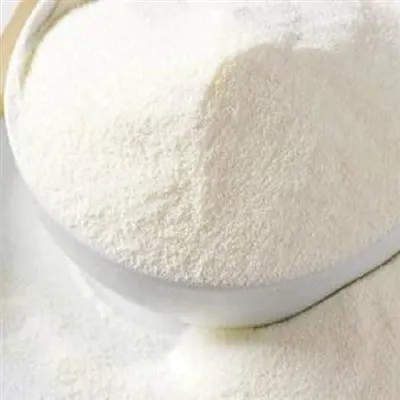
Hey there! I’m a supplier of thickeners, and I often get asked, "What are thickeners used for?" Well, let me tell you, thickeners are super versatile and have a wide range of applications. In this blog, I’ll break down some of the most common uses of thickeners and why they’re so important in various industries.
First off, let’s talk about the food industry. Thickeners are like magic in the kitchen. They help give food the right texture and consistency, making it more appealing and easier to eat. For example, in soups and sauces, thickeners prevent them from being too thin and runny. Cornstarch, a popular thickener, can be used to quickly thicken a sauce. You just mix it with a little cold water to form a slurry and then stir it into the hot sauce. As it heats up, the cornstarch molecules swell and trap the liquid, giving the sauce a nice, thick consistency.
In dairy products, thickeners play a crucial role too. Yogurt, for instance, often contains thickeners like gelatin or pectin. These thickeners help give yogurt its smooth and creamy texture. They also prevent the separation of the whey, which can make the yogurt look unappetizing. Without thickeners, yogurt would be more like a thin, watery liquid.
Baked goods also benefit from thickeners. Flour is a natural thickener that helps hold the ingredients together in bread, cakes, and pastries. It gives the dough or batter the structure it needs to rise and hold its shape during baking. Other thickeners, like xanthan gum, can be used in gluten – free baking. Since gluten – free flours lack the elasticity provided by gluten, xanthan gum helps mimic that texture, making the baked goods more similar to their gluten – containing counterparts.
Moving on to the cosmetic and personal care industry, thickeners are essential. In lotions and creams, thickeners are used to give them a rich and luxurious texture. They help the products spread evenly on the skin and stay in place. For example, carbomer is a common thickener in cosmetics. It can be used to thicken water – based products like moisturizers and serums. When added to a formulation, it swells in water and creates a gel – like consistency, making the product easier to apply and more pleasant to use.
Shampoos and conditioners also use thickeners. They help give the products a thicker, more substantial feel, which consumers often associate with quality. Guar gum is sometimes used as a thickener in hair care products. It not only thickens the shampoo or conditioner but also has some conditioning properties, leaving the hair feeling soft and smooth.
Now, let’s shift our focus to the pharmaceutical industry. Thickeners are used in many liquid medications to make them easier to swallow. For example, cough syrups often contain thickeners like methylcellulose. This thickener gives the syrup a viscous consistency, which helps it coat the throat and provides a soothing effect. It also prevents the medication from draining too quickly, allowing it to stay in contact with the affected area longer.
In topical medications, thickeners are used to help the product adhere to the skin. Hydroxypropyl cellulose can be used to thicken creams and ointments. This helps the active ingredients in the medication stay in place on the skin and be absorbed more effectively.
The industrial sector also relies heavily on thickeners. In paints and coatings, thickeners are used to control the viscosity of the product. They help the paint spread evenly on a surface and prevent it from dripping or running. Acrylic thickeners are commonly used in water – based paints. They can adjust the paint’s flow properties, making it suitable for different application methods, such as brushing, rolling, or spraying.
In drilling fluids used in the oil and gas industry, thickeners are crucial. They help increase the viscosity of the fluid, which is important for carrying the drill cuttings to the surface. Without proper thickening, the drill cuttings would sink to the bottom of the wellbore, causing drilling problems. Clay – based thickeners are often used in these fluids because they can provide high – viscosity and good suspension properties.
In the textile industry, thickeners are used in printing. They help the dye or pigment adhere to the fabric and prevent it from bleeding. Sodium alginate is a popular thickener in textile printing. It forms a gel – like structure that holds the dye in place during the printing process, resulting in sharp and clear prints.
So, as you can see, thickeners are used in so many different industries for a variety of reasons. They improve the texture, consistency, and performance of products. At our company, we offer a wide range of high – quality thickeners to meet the needs of different customers. Whether you’re in the food, cosmetic, pharmaceutical, industrial, or textile industry, we’ve got a thickener solution for you.
If you’re interested in learning more about our thickeners or are looking for a reliable thickener supplier for your business, feel free to reach out to us. We can provide samples, technical support, and work with you to find the best thickener for your specific application. We’re always eager to help you create the best products possible.
Acidulants References
- "Food Hydrocolloids: Structures, Properties and Functions" by G. O. Phillips and P. A. Williams
- "Cosmetic and Toiletry Formulations" by N. J. Lowe and N. A. Shalita
- "Pharmaceutical Technology" by L. V. Allen Jr. and N. G. Popovich
- "Industrial Inorganic Chemistry" by Ulrich Schubert
- "Textile Printing Manual" by R. S. Asquith and C. R. M. Bolton
Fudijia (Tianjin) Supply Chain Co., Ltd.
With abundant experience, we re one of the most professional thickeners manufacturers and suppliers in China. We warmly welcome you to wholesale bulk high quality thickeners made in China here from our factory. For more information, contact us now.
Address: 301-2-1C,Jin Bin Jie Zuo,No.98, Huanghai Road,TEDA, Tianjin, China
E-mail: foodchem@hjlfoods.com
WebSite: https://www.ifoodchem.com/
