As a provider of low voltage servo motors, I often get asked whether these nifty little machines can work in low – temperature environments. It’s a fair question, especially if you’re in industries like cold storage, outdoor winter – based projects, or even in aerospace applications that deal with frigid conditions. So, let’s dig into this topic and see what the deal is. Low Voltage Servo Motors
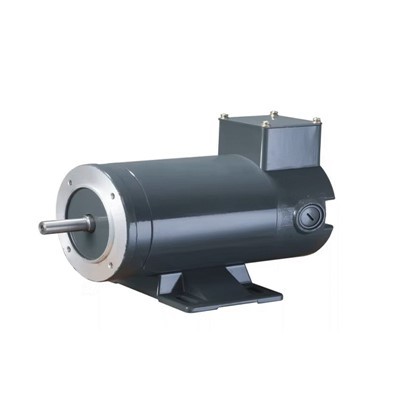
First off, let’s talk about what low voltage servo motors are. These are motors that operate on relatively low voltage, usually between 12V to 48V. They’re used in a ton of different applications, from robotics and CNC machines to automated guided vehicles (AGVs). They offer precise control over speed, torque, and position, which makes them a go – to for many high – precision tasks.
But when we talk about low – temperature environments, things start to get a bit tricky. Low temperatures can have a significant impact on the performance of low voltage servo motors.
One of the main issues is the effect on the motor’s electrical components. As the temperature drops, the resistance of the motor’s windings increases. You see, electrical resistance is related to temperature, and according to the basic laws of physics, as the temperature goes down, the atoms in the conductor move less freely, causing more resistance to the flow of electric current. This increased resistance means that the motor has to work harder to draw the same amount of current. In other words, for a fixed voltage, the current will decrease, which can lead to a reduction in torque output. If the motor can’t generate enough torque, it might not be able to drive the load properly, and you could end up with a system that just doesn’t work as it should.
Another problem is with the lubricants used in the motor. Most motors have bearings and gears that need lubrication to reduce friction and wear. At low temperatures, the viscosity of these lubricants increases. Think of it like honey in the fridge – it gets thicker and doesn’t flow as easily. When the lubricant thickens, it can create more friction in the moving parts of the motor. This added friction not only makes the motor less efficient but also generates additional heat, which can be a problem in a cold environment where heat dissipation is already a challenge.
The motor’s electronics, such as the driver and controller, are also affected by low temperatures. Electronic components like capacitors, resistors, and integrated circuits can experience changes in their electrical properties. For example, the capacitance of a capacitor can change with temperature, which can affect the timing and operation of the motor control circuits. In extreme cases, the electronics might even malfunction, leading to erratic motor behavior or complete failure.
However, it’s not all doom and gloom. There are ways to make low voltage servo motors work in low – temperature environments.
One approach is to use motors with special insulation materials. Some insulation materials are designed to maintain their electrical properties over a wide range of temperatures. These materials can help reduce the increase in winding resistance at low temperatures, ensuring that the motor continues to operate efficiently.
Another solution is to modify the lubricants. Special low – temperature lubricants are available that don’t thicken as much in cold conditions. These lubricants can maintain proper lubrication of the motor’s moving parts, reducing friction and wear even at sub – zero temperatures.
We can also implement heating systems in the motor or its enclosure. This could be as simple as a small heating element that keeps the motor at a suitable operating temperature. By maintaining a relatively stable internal temperature, we can prevent the negative effects of low – temperature environments on the motor’s components.
In my experience as a low voltage servo motor supplier, I’ve seen customers use these motors successfully in a variety of cold – weather applications. For instance, in some cold storage warehouses, our low voltage servo motors are used to control the movement of automated storage and retrieval systems. By implementing the right measures to counter the effects of low temperatures, these motors have been operating reliably for years.
I’ve also worked with some companies in the outdoor winter sports equipment industry. They use our motors in things like snow – grooming machines and ski – lift control systems. With proper temperature management and component selection, the motors have proven to be up to the task, even in the harshest winter conditions.
So, to answer the question – yes, low voltage servo motors can work in low – temperature environments, but it takes some planning and the right approach. If you’re facing a project that requires motors to operate in the cold, you need to consider the specific requirements of your application. You should look at things like the minimum temperature the motor will be exposed to, the amount of torque and speed you need, and the duty cycle of the motor.
As a supplier, I’m here to help you make the right choices. We’ve got a wide range of low voltage servo motors that can be customized to suit your needs. Whether you need a motor with special insulation or one that’s compatible with low – temperature lubricants, we can work with you to find the perfect solution.

If you’re in the market for low voltage servo motors for a low – temperature application, don’t hesitate to reach out. We’ve got the expertise and the products to ensure your project runs smoothly, no matter how cold it gets. Let’s have a chat about your requirements and see how we can make your low – temperature motor needs a reality.
Servo Motor References:
- "Electric Machinery Fundamentals" by Stephen J. Chapman, which provides in – depth knowledge about the electrical properties of motors and how temperature affects them.
- Industry reports on the use of low voltage servo motors in cold environments from various trade associations and research firms.
Zibo Auric Mechanical and Electrical Technology Co., Ltd.
Address: B419, High-tech Entrepreneurship Park, High-tech Zone, Zibo City
E-mail: cui@auricmotor.com
WebSite: https://www.auricmotor.com/
