Hey there! I’m a supplier in the bakery flavors business, and today I wanna chat about whether vanilla bakery flavors have different types. You bet they do! And let me tell you, understanding these differences can take your baked goods from good to outstanding. Bakery Flavors

The Basics of Vanilla
First things first, vanilla is one of the most beloved and widely used flavors in the baking world. It’s got this warm, sweet, and comforting taste that just makes you feel cozy. Vanilla comes from the beans of the vanilla orchid, and it’s been used for centuries in various cuisines.
But here in the bakery realm, not all vanilla flavors are created equal. There are different, well, types!
Natural Vanilla Extract
Let’s start with natural vanilla extract. This is the real deal, baby! It’s made by soaking vanilla beans in a mixture of alcohol and water. The whole process takes time – sometimes weeks or even months – to extract all those delicious flavors from the beans.
The great thing about natural vanilla extract is that it has a complex and rich flavor. You can taste the depth that comes from those organic vanilla beans. It’s got notes of caramel, a bit of tobacco, and even some floral undertones in there. This makes it perfect for high – end baked goods like fancy cakes, artisanal cookies, and top – notch custards.
When you use natural vanilla extract in your bakery, you’re giving your customers an authentic taste experience. It just stands out, and people who really know their baked goods can tell the difference right away. But the downside? It’s kinda pricey. The vanilla beans themselves are expensive to grow and harvest, and the extraction process is labor – intensive.
Imitation Vanilla Flavor
On the flip side, we have imitation vanilla flavor. This one is made from synthetic chemicals, usually vanillin, which is the main flavor compound in real vanilla beans. It’s a lot cheaper to produce, which means it’s more budget – friendly for bakeries that need to keep costs down.
Imitation vanilla has a more straightforward, simple flavor. It’s mainly that classic vanilla taste, without all the complex layers you get from natural extract. It’s great for mass – produced baked goods, like the ones you find in supermarkets or discount stores. It works well in things like brownies, simple muffins, and everyday bread where you just need that basic vanilla flavor.
But some people don’t like imitation vanilla as much because it lacks that real, natural flavor. It can sometimes taste a bit artificial, especially if you use too much of it.
Vanilla Paste
Then there’s vanilla paste. Think of it as a middle ground between extract and imitation flavor. Vanilla paste is made by combining natural vanilla extract with vanilla bean seeds and a thickening agent. So you get the real flavor of the vanilla beans, plus the visible specks of the bean seeds, which look super fancy in your baked goods.
The paste has a more intense flavor than extract. It’s thick and gooey, which makes it easier to measure and use in recipes. You can use it in any recipe where you’d use vanilla extract, but it’s especially great for things like ice cream, where the visible bean specks add a touch of luxury.
It’s a bit more expensive than imitation flavor but usually cheaper than using a whole bunch of natural extract. And it gives you a really high – quality vanilla taste without breaking the bank.
Vanilla Powder
Vanilla powder is another option. It’s made by either drying and grinding vanilla beans or by combining vanillin with a carrier like sugar or maltodextrin. It’s super convenient because it doesn’t have the alcohol content like extract, and it’s easy to store and measure.
Vanilla powder is great for dry mixes, like pancake mixes or cake mixes. It dissolves easily and gives a consistent flavor. It’s also good for dusting on top of baked goods for an extra vanilla kick. The flavor can be a bit more one – dimensional than natural extract, but it’s a practical choice for many baking applications.
Bourbon Vanilla
Now, let’s talk about a specific type within the natural vanilla category: bourbon vanilla. This is a type of vanilla bean that comes from Madagascar and some other Indian Ocean islands. It’s called bourbon vanilla because historically, the islands where it was grown were part of the Bourbon Empire.
Bourbon vanilla has a smooth, creamy, and sweet flavor. It’s got a bit more of a buttery note compared to other vanilla types. It’s one of the most popular types of vanilla for baking in the Western world. You can use it in pretty much anything, but it’s especially good in creamy desserts like cheesecakes and panna cottas.
Tahitian Vanilla
Another cool type is Tahitian vanilla. It comes from Tahiti, of course! Tahitian vanilla has a very different flavor profile compared to bourbon vanilla. It’s got a more floral and fruity taste, with notes of cherry, anise, and licorice.
This makes it a great choice for lighter, more delicate baked goods. It works really well in things like macarons, where the subtle yet unique flavor can shine through without overpowering the other ingredients.
Mexican Vanilla
Mexican vanilla is also worth mentioning. It has a rich, bold flavor with a hint of spice. It’s got a bit more of a smoky undertone compared to other vanilla types. Mexican vanilla is great for traditional Mexican baked goods like conchas and pan de muerto, but it can also add an interesting twist to more mainstream recipes like chocolate chip cookies.
Why It Matters for Your Bakery
As a bakery owner, choosing the right vanilla flavor can make or break your products. If you’re going for a high – end, artisanal bakery, natural vanilla extract or something like bourbon vanilla might be the way to go. Your customers are willing to pay a bit more for that authentic, high – quality taste.
But if you’re running a more budget – friendly bakery or making mass – produced items, imitation vanilla flavor or vanilla powder could work better for you. You can still get a good vanilla flavor without the high cost.
And then there are those times when you might want to mix it up. Maybe use a combination of natural extract and paste to get the best of both worlds – the complex flavor and the visible bean specks.
How We Can Help
As a bakery flavors supplier, I’ve got all these different vanilla flavors in stock. Whether you’re looking for the classic natural extract, the budget – friendly imitation flavor, or something more exotic like Tahitian vanilla, I can hook you up.
I know how important it is for your bakery to have the right ingredients. That’s why I make sure to source the best – quality vanilla from all over the world. I’ve got well – established relationships with growers and producers, so you can be sure you’re getting the real deal.
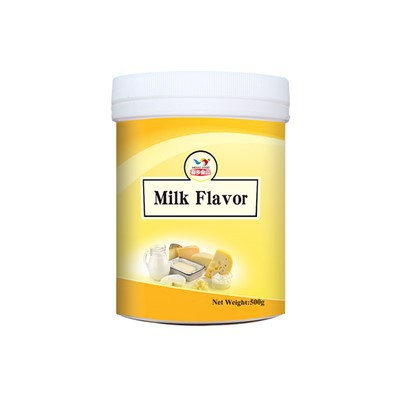
If you’re interested in trying out different vanilla flavors for your bakery, just reach out. We can have a chat about your needs, your budget, and the type of baked goods you’re making. I can even send you samples so you can taste the differences for yourself.
Confection Flavors Let’s work together to make your baked goods the talk of the town! Whether you’re a small, local bakery or a big – time chain, I’ve got the vanilla flavors to take your products to the next level.
References
- Morton, J. F. (1977). Vanilla. In Fruits of warm climates (pp. 272 – 277). Creative Resource Systems.
- Purseglove, J. W., Brown, E. G., Green, C. L., & Robbins, S. R. J. (1981). Spices. Longman.
Qingdao HiDoo Food Ingredients Co., Ltd.
We’re well-known as one of the leading bakery flavors manufacturers and suppliers in China, also support customized service. Please feel free to buy bulk high quality bakery flavors at low price from our factory. For quotation and free sample, contact us now.
Address: No. 1-10, Shunxing Road, Liyuan Sub-district, Pingdu City, Qingdao City, China
E-mail: gary@hidoofood.com
WebSite: https://www.hidooflavour.com/
