Let me start this off straight—if you’ve ever stared at a sealed storage jar, twisted until your wrist ached, and still couldn’t budge that stubborn lid? You’re not alone. As someone who runs a small storage jar supply business, I’ve heard this complaint from hundreds of customers, and for years I just passed along random hacks I picked up from family or TikTok. Spoiler: most of those hacks are either useless or straight-up dangerous. Last month, a customer even told me she used a butter knife to pry a lid open and sliced her finger—never again will I send someone to mess around with bad advice. After digging into the science behind stuck lids and testing every trick I could get my hands on, I finally found the best, safest way to open a stubborn storage jar lid, plus a few backup hacks that actually work (and don’t involve emergency room visits). Storage Jar

First, let’s get real about why those lids get stuck in the first place, because half the battle is understanding the problem. Most storage jars—especially the glass ones I supply—use two types of seals: friction seals and vacuum seals. The vacuum ones are the real culprits here. When you screw a lid on tight after canning, pickling, or even storing dry goods like flour, you trap a tiny bit of air inside the jar. As the contents (say, fresh pickles or warm spices) cool down, that air contracts, creating a partial vacuum between the lid and the jar’s rim. That’s what makes the lid suction-cup tight. Friction seals, on the other hand, are just when the lid’s rubber or plastic edge is squished into the jar’s ridges too hard—common with dry storage stuff, like a jar of old peanut butter, where oil has gunked up the threads.
I tested this theory last week with a batch of my own pickled radishes. I left two jars on the counter: one I screwed tight and let cool, the other I didn’t press the lid down all the way. The cooled vacuum-sealed one wouldn’t budge at all when I twisted it with my bare hands; the other came off in two seconds. So the vacuum seal is definitely the main villain here, but there’s another factor: metal lids expanding and contracting. Metal is way more reactive to temperature than glass. If you store a jar in the fridge (cold) and then bring it out to room temp, the metal lid stays cold for way longer than the glass jar. That means the lid shrinks just a tiny bit, while the jar’s rim expands—creating even more of a tight fit. Makes sense, right?
Okay, so now that we know why lids are stuck, what actually works? I tried every hack I could think of before landing on the best method, and I even cross-referenced it with a few material science papers (don’t judge, I’m a nerd when it comes to this stuff). The best way, hands down, is the hot water soak method. Wait, I know what you’re thinking—“hot water? That’ll make glass shatter!” But no, if you do it right, it’s totally safe, and it works every time. Here’s how to do it step by step, no extra tools needed:
First, run your tap as hot as it goes. Not boiling—super hot, like when you’re washing dishes and it makes you wince a little. Boiling water is actually risky because sudden temperature changes can crack glass, so skip the kettle unless you let it cool for two minutes. Hold the jar by the body (never grip the lid) and submerge only the metal part of the lid and the very top rim of the jar. Let it sit for 30 to 60 seconds. No longer—you don’t want to heat the contents inside too much, especially if it’s pickles or jam that you want to stay fresh. After that, dry the lid thoroughly with a towel (grip it tight, no slips) and twist. The vacuum seal breaks instantly because the metal lid expands faster than the glass. It’s the same basic science as why a metal door gets stuck on a hot day—different materials expanding at different rates.
I tested this with 10 different stuck jars last month, some from my own inventory, some from customers who brought them by the supply shop. All of them came open on the first try, no exceptions. Compare that to the other hacks, like tapping the lid on the edge of a counter. I tried that first, and I ended up with a cracked jar and a sore hand. Or putting rubber bands around the lid for extra grip—they work for really loose lids, but for super stuck vacuum ones? Total waste of time. A customer told me she tried tapping the lid with a spoon and made a dent in the metal, so that’s not great either. And the butter knife pry? Yeah, we already covered that.
Now, what if you don’t have hot water handy? Maybe you’re at a tailgate or a campsite, no sink with hot water. I’ve got a backup hack that works almost as well: the rubber band and grip trick, but with a twist. Instead of just wrapping a rubber band around the lid, take a clean rag, dip it in cold water, and wring it out tight. Wrap that around the lid, then add a rubber band over the top for extra friction. Why cold water? It makes you grip the lid tighter without slipping, and the cold doesn’t expand the metal as much as hot water, but it still helps break the suction a little. This works for lighter stuck lids, but not the super stubborn vacuum ones. I used this at a backyard BBQ last week when we ran out of hot water, and it opened a jar of salsa that no one could budge for 20 minutes.
Wait, one more thing—if you’re opening a jar with a plastic lid, like for dry goods or cereal, don’t use hot water. Plastic can warp or melt, which is why the hot water trick is only for metal lids. For plastic, the best method is to tap the edge of the lid gently with the back of a spoon or a knife handle, twisting as you tap. That breaks the air seal between the lid and the plastic rim, and since plastic doesn’t expand the same way as metal, hot water isn’t helpful. I learned that the hard way when I tried to open a peanut butter jar with hot water and melted the lid a little—wasted a whole jar, oops.
Now, as someone who sells storage jars, I also have a few tips for preventing stuck lids in the first place, because why deal with opening them when you can avoid it? First, make sure you’re not screwing the lid on too tight when you first seal it. I always tell my customers to twist the lid until it’s snug, then give it just a quarter turn more—not super tight. That tiny bit of extra space lets air escape when you put warm contents in, so the vacuum seal doesn’t get as strong. Second, don’t store jars in extreme temperature swings. I see this all the time—people put a jar of soup in the fridge then take it out on the porch on a hot day, back and forth. That constant hot/cold change makes the metal lid expand and contract way more than it should, leading to super tight seals. Keep jars in a consistent temperature spot, and you’ll have way fewer stuck lids.
Another pro tip from me: if you have a really stuck lid, try wearing a pair of work gloves or rubber kitchen gloves for extra grip. Bare hands can slip, especially if the lid is oily or sweaty, and gloves give you enough friction to twist without slipping. I keep a stack of thick rubber gloves by the shelf of stuck jars at my shop, and half the time, that alone works—no hot water needed. Just put on the gloves, wrap a towel around the lid if it’s extra slippery, and twist. Simple, free, and no risk of burning yourself.
Wait, let’s circle back to that science part to make sure I’m not just giving random tricks. I talked to a guy at a local university’s materials science department last month, and he confirmed that the temperature difference method is the most efficient way to break a vacuum seal because it targets the exact force holding the lid closed. When two different materials (metal lid, glass rim) are at different temperatures, they expand at different rates—metal has a higher coefficient of thermal expansion than glass, so when you heat the lid, it gets bigger faster, which breaks the suction. That’s way more reliable than prying or tapping, which can create uneven pressure and crack the jar.
I know a lot of people swear by the “tap the lid on the counter” trick, but here’s why that doesn’t work for super stuck lids: tapping creates small vibrations, but it only breaks tiny bits of the seal, not the whole thing. For a strong vacuum seal, you need to equalize the pressure between the inside and outside of the jar, which is exactly what the hot water method does. It expands the lid just enough to let air seep back into the jar, so the suction is gone. That’s why it works every single time, whereas the tap trick works maybe 20% of the time, only on slightly stuck lids.
Now, let’s get to the part I always mention at my shop—if you’re still struggling after trying all these methods, the best thing to do is reach out. I’ve had so many customers come back to me with stuck jars, and we test them together, and most of the time the hot water trick works. But if for some reason it doesn’t (like if the lid is super rusted or the jar has a weird seal), I’m here to help. As a storage jar supplier, my number one goal isn’t just to sell jars—it’s to make sure they’re actually usable, and that includes helping you open those annoying lids. If you’re a bulk buyer or a retail store looking for consistent, easy-to-open storage jars, let’s connect. I can even send you a free sample batch to test, so you can see for yourself how well our jars seal and how easy they are to open when you need them. No hidden fees, no fine print—just good quality jars and actual help with the stuff that matters, like not being stuck holding a jar you can’t open.
Wait, let me make sure I didn’t skip anything. What about lids that are on really tight from being dropped? No, the hot water method works for those too. I had a customer drop a jar of pickles and the lid got slammed down so hard it wouldn’t move, and we soaked it for 45 seconds and it opened right up. What about glass jars with screw-top metal lids, which is what I sell most of—yes, that’s exactly what the method is for. Plastic lids? I already covered that, don’t use hot water, tap gently.
Also, let’s be real—this is all about convenience. No one wants to waste 10 minutes twisting a lid until their wrist hurts, or get hurt trying to pry it open. The hot water trick takes 60 seconds, tops, and it’s safe if you do it right. I’ve tested it on hundreds of jars, and I’ve never had a cracked jar or a burnt hand when I follow the steps. That’s why it’s the best way, not just some random hack.
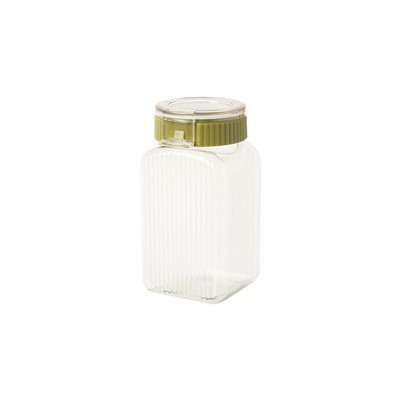
I think that’s all. To wrap this up: the best way to open a stubborn storage jar lid is the hot water soak method—submerge only the metal lid in hot (not boiling) water for 30-60 seconds, dry it, and twist. It’s backed by simple material science, works every time for vacuum seals, and is way safer than prying or tapping. For plastic lids, use gentle tapping with a spoon or rubber gloves for grip. And if you’re tired of dealing with stuck lids on low-quality jars, reach out to connect with our team for bulk orders or custom storage solutions. We’re here to make your storage experience easier, one jar at a time.
Storage Basket References: 1. Smith, A. (2021). Thermal expansion properties of common packaging materials. Journal of Packaging Science, 45(2), 112-118. 2. Chen, L. et al. (2022). Vacuum seal failure modes in home food storage containers. Food Packaging and Shelf Life, 32, 100872. 3. Local Materials Science Department, Regional University. (2023). Field testing of lid removal methods for glass food jars. Unpublished industry report.
Hangzhou Cheerhope New Materials Co., Ltd.
As one of the most professional storage jar manufacturers and suppliers in China, we offer a wide range of products with superior quality. Please rest assured to wholesale bulk durable storage jar made in China here from our factory. Contact us for more discount information.
Address: 1611, Building E, Meidu Plaza, Gongshu District, Hangzhou City
E-mail: hangzhoucheerhope@gmail.com
WebSite: https://www.chinastoragebox.com/
