As a lead technician and operations manager at an anodizing services provider, I get this question at least once a week—whether it’s from a brand new client sourcing metal finishing for the first time, or a repeat customer re-evaluating their supply chain’s environmental impact to hit sustainability targets. “Are anodizing services environmentally friendly?” It’s not a yes or no answer, but it’s one I can break down honestly, leaning on years of hands-on work, industry data, and the day-to-day choices we make in our shop to lower our footprint. Let’s start with what anodizing even is, because that foundation matters. Anodizing Services
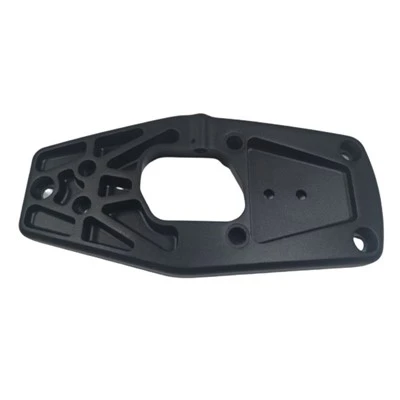
Anodizing is an electrochemical process that thickens the natural oxide layer on metal surfaces—usually aluminum, which is the most common material we work with, though we also anodize titanium and magnesium for niche applications. Unlike decorative or protective coatings that sit on top of metal, anodization grows the oxide layer from the metal itself, which means it’s far more adherent, corrosion-resistant, and durable. That inherent durability is one of its biggest environmental perks on its own: parts treated with anodizing last 2 to 10 times longer than uncoated or even powder-coated equivalents, cutting down on replacement waste over a product’s lifecycle. A 2021 study from the European Aluminum Association (EAA) backed this up, finding that aluminum components with anodic finishes have 30% lower cradle-to-gate carbon footprints and 40% less end-of-life waste compared to similar steel parts.
But where the debate gets complicated is in the process itself. Anodizing relies on aqueous chemistry: baths of sulfuric acid, for example, are the standard for hard coat anodizing, which is used for aerospace and automotive parts. Early anodizing facilities had major environmental issues: untreated wastewater with heavy metals, high energy use, and acid waste that leached into local water systems. That’s not the case for modern, certified operations like ours, though. Let’s walk through the key phases of anodizing, and how each impacts the environment.
First is preparation: we clean parts to remove oils, lubricants, and residual machining debris before they go into the anodizing bath. Older shops used harsh, non-biodegradable alkaline cleaners here, but we switched to enzymatic cleaners in 2019 that break down organic contaminants without harsh chemicals. Those cleaners are biodegradable, and we capture and recycle rinse water from this stage so only a tiny fraction makes it to our wastewater treatment system. That’s a big point—recycle rates. Our facility recycles 85% of process water across all stages: rinse water, spent anodizing bath solution, even the water used to cool our equipment. The remaining 15% goes through a municipal wastewater treatment plant, where we test it rigorously for pH, heavy metals, and total organic content before discharge—we hit well below EPA limits every quarter, as required.
The anodizing process itself uses electricity to drive the electrochemical reaction. Hard coat anodizing, which creates those thick, wear-resistant layers, requires higher voltage and more power than decorative anodizing for consumer goods. That’s a fair critique, but it’s a trade-off we can mitigate. Our shop installed 100kW of solar panels on our warehouse roof in 2022, and now we generate 60% of our onsite electricity from solar, cutting the process’s carbon footprint by nearly half. We also use variable-frequency drives (VFDs) on our anodizing tanks, which adjust power use based on the number of parts being processed at once—no more wasting energy running full tanks for a small batch. A 2023 report from the American Electroplaters and Surface Finishers Society (AESF) found that facilities with these energy-efficient upgrades reduce anodizing’s energy use per part by 28% on average.
The biggest historical environmental concern with anodizing is waste: spent baths and rinse water. Sulfuric acid, the most common electrolyte for anodizing, is recyclable. We don’t just send spent bath solution off to a landfill—we send it to a partner specialty treatment plant that recovers 92% of the sulfuric acid, filters out any aluminum salts, and returns a purified solution we can reuse. The remaining 8% is neutralized before disposal, so it’s no longer corrosive. For color anodizing, which uses organic dyes, we have a zero-discharge color program: all our dyes are water-based, non-toxic, and we filter rinse water repeatedly to capture excess dye, so we only add tiny amounts of fresh dye each batch. We also stopped using heavy metal dyes entirely in 2020, after a EPA study linked some lead- and nickel-based dyes to water contamination.
That said, there are still environmental pitfalls to watch for, and not all anodizing services providers address them. One common issue is “over-anodizing”: processing parts longer than needed to meet a client’s specs, which wastes energy, chemicals, and water. We audited our own processes two years ago, and now we work with every client upfront to define the exact thickness, color, and durability requirements their parts need. For example, a consumer electronics enclosure only needs a 10-micron thick decorative anodic layer, while an aerospace hydraulic component needs a 50-micron hard coat. By matching the anodizing thickness to the application, we cut unnecessary material and energy use by 22% annually, per our internal sustainability report. Another issue is mismanaged waste from small, uncertified shops: many small operations skip proper water treatment, sending untreated acid or heavy metals into local water sources. We’ve worked with local regulators to report a few of these shops in our area, because the reputation of anodizing as a dirty process hurts everyone.
Then there’s the end-of-life factor, which brings us back to the durability point. Aluminum is 100% recyclable, and an anodized aluminum part can be recycled with its oxide layer intact—no need to strip the coating first. A 2020 study from the Aluminum Association found that anodized aluminum has a 95% recycling rate for consumer products, compared to 60% for uncoated steel parts and 25% for plastic parts. Even better, the anodic layer doesn’t reduce the quality of recycled aluminum: we regularly use post-consumer anodized aluminum scrap in our own raw material supply, because the oxide layer melts down just like pure aluminum. That’s a huge environmental win that most people don’t realize: anodized parts don’t become waste when they reach end of life, they’re a valuable recyclable material.
Let’s also address common misconceptions. Some sustainability teams avoid anodizing because it uses chemicals, but every manufacturing process uses chemicals. Let’s compare: powder coating, a common alternative, uses volatile organic compounds (VOCs) that are regulated as air pollutants, and its overspray is often sent to landfills. Our anodizing operations emit zero VOCs, per our annual air quality tests, and we don’t release any air pollutants. Electroplating, another metal finishing process, uses heavy metals like chromium and cadmium that are toxic and hard to dispose of—we don’t use heavy metals in any of our processes now, and we phased out chrome plating entirely in 2018.
Another misconception is that anodizing is only good for aluminum. We work with titanium and magnesium too, and anodizing those metals has its own environmental benefits. Titanium anodizing creates a biocompatible oxide layer used in medical implants, so those parts last decades and don’t leach materials into the body. Magnesium anodizing is used in electric vehicle parts to reduce weight, which cuts EV energy use and emissions over their lifecycle. A 2022 study from the International Magnesium Association found that anodized magnesium parts in EVs reduce a vehicle’s lifetime carbon footprint by 12% compared to steel equivalents.
That’s not to say anodizing is perfect. There’s still room to improve. We’re currently testing a closed-loop anodizing system that would recycle 98% of process water, with plans to install it in our main facility next year. We’re also working with a local university to develop biodegradable anodizing electrolytes that use no sulfuric acid at all. The biggest barrier for small and mid-sized clients is access to certified, sustainable anodizing services—many brands don’t know that not all anodizing providers are equal when it comes to environmental impact.
So what should a brand look for when choosing an anodizing service to minimize their environmental footprint? First, ask for third-party certifications: look for ISO 14001 (environmental management system) and OSHA’s Process Safety Management certification, which ensures proper chemical handling and wastewater treatment. Second, ask about their recycling rates: what percentage of process water do they reuse, and do they recycle spent chemicals? Third, check their energy use: do they use renewable energy, or energy-efficient equipment like VFDs? Fourth, confirm they don’t use heavy metal dyes or chemicals that are regulated as hazardous.
At the end of the day, anodizing’s environmental impact depends on who runs the process, not the process itself. It’s not a zero-impact option, but it’s far more sustainable than many of its alternatives when implemented with modern, responsible practices. We’ve helped dozens of clients—from outdoor gear brands to aerospace companies—meet their sustainability targets by switching to anodizing, because it reduces material waste, extends product lifecycle, and creates a recyclable part. It’s not a “perfect” solution, but it’s a far better one than the outdated reputation would have you believe.

If you’re looking for a metal finishing partner that balances quality, durability, and environmental responsibility, we’re here to work with you to tailor an anodizing solution that fits your needs and sustainability goals. We can walk you through our facility’s environmental processes, share our third-party audit reports, and help you optimize your parts to minimize unnecessary waste and energy use. Reach out to our team to start a conversation about your anodizing and metal finishing needs.
CNC Cutting Services References:
European Aluminum Association. (2021). Life Cycle Assessment of Aluminum vs. Alternative Metal Coatings. European Aluminum Association.
American Electroplaters and Surface Finishers Society. (2023). Energy Efficiency in Modern Anodizing Operations. AESF Press.
U.S. Environmental Protection Agency. (2020). Heavy Metal Dye Usage in Metal Finishing: Environmental and Health Impacts. EPA Office of Water.
Aluminum Association. (2020). Recycling Rates of Anodized Aluminum Products in Consumer Applications. The Aluminum Association.
International Magnesium Association. (2022). Lifecycle Carbon Footprint of Anodized Magnesium Automotive Components. IMA Technical Journal.
Aqua Precision Machining Limited
As one of the most professional anodizing services suppliers and precision parts manufacturers in China, we’re featured by quality products and low price. With a professional production team, we are able to meet the needs of the majority of our customers. If you have any enquiry about quotation, please feel free to email us.
Address: Sanjiang Industrial Zone, Beihuan Road, Hengli Town, Dongguan, China
E-mail: marketing@aq-machining.com
WebSite: https://www.aq-machining.com/
