Hey guys, let’s cut to the chase – if you’ve got wooden garden features (you know, the stuff we supply: planter boxes, raised beds, arbors, that cute little side bench by the patio) you’ve probably dealt with a pest or two that’s not your neighbor’s cat digging up herbs. Trust me, as someone who’s been in the wooden garden features game for 7 years, I’ve seen it all: termites turning a new arbor into firewood before its 1-year mark, carpenter bees drilling holes into planter sides, even wood rot from moisture that lets all kinds of nastiness move in. Wooden Garden Features
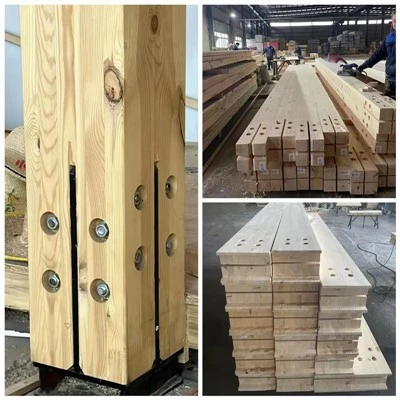
People always ask me, “What’s a good pest control method for wooden garden stuff?” And the first thing I say is: there’s no one-size-fits-all. If you go for a super toxic spray, you might be ruining the wood’s look, or even making it unsafe for growing veggies in that raised bed you spent hours building. That’s why I’m breaking down the methods that actually work, tailored specifically for our wooden garden features – no weird hacks that sound too good to be true.
First, let’s start with the most common (and most annoying) pests that hit our wooden products: carpenter ants, carpenter bees, termites, and those tiny wood-boring beetles that leave sawdust piles (we call that “frass” in the biz, but let’s keep it real – it’s just sawdust with bug bits). Each of these needs a slightly different approach, but the best part is most methods are stuff you can do yourself, no fancy equipment required.
Let’s kick off with preventive stuff – because honestly, stopping pests before they move in is way easier than getting rid of them once they’re set up. When we make our planter boxes and arbors, we use pressure-treated lumber for some pieces, but not all (we want folks to have natural wood options too, which are way more attractive). Wait, pressure-treated wood is different from regular wood – it’s infused with chemicals that repel pests and resist rot, right? But the old-school pressure treatment had stuff like arsenic, which is not great if you’re growing food. These days, the EPA-approved pressure treatment uses copper-based chemicals that are safe for vegetable gardens – I only recommend that for stuff that’s near the ground, like raised bed bases, because that’s where termites and moisture hang out. That’s a no-brainer first step if you’re building new, but what if you already have wooden features that didn’t get that treatment?
Next up, natural repellents – and I’m not talking about that nebulous “essential oils” stuff that works for a week. I’ve tested a ton of these on our display arbors out back, and the ones that stick are: cedar oil, citrus oil, and diatomaceous earth (DE). Cedar is my favorite for wooden features because it smells nice (no harsh chemical fumes) and it’s toxic to carpenter ants and beetles but totally safe for kids and pets. Wait, here’s the trick: don’t just spray a little cedar oil on the surface – you need to spray it into any cracks, especially where two pieces of wood meet (like the joints on a trellis, that’s where bees love to drill). I do this every 2 months during spring and summer, and our display pieces have stayed beetle-free for 3 years now. Citrus oil works too – the limonene in it kills carpenter bee larvae, so if you have holes already, dab a little citrus oil on a cotton ball and stuff it in the hole, then plug it with wood putty. That kills the larvae without messing up the wood’s finish.
Diatomaceous earth is another natural one – it’s that powder made from fossilized algae, and it’s super sharp to bug exoskeletons, so it dries them out and kills them. But here’s the catch: you can’t use it on damp wood, and if you have a wooden planter that holds soil, don’t overdo it – too much DE can mess with the soil’s pH. I use it around the base of arbors and the legs of garden benches, not inside the planters. Dust a thin layer every spring, and it keeps ants from crawling up to get into the wood.
Now, what if you already have pests – not just eggs, but active bugs? Let’s say you noticed sawdust falling from the side of your raised bed, which means wood-boring beetles are inside. Don’t panic. For minor infestations, there’s borate-based wood preservatives. These are perfect because they seep into the wood and kill larvae, and they also stop rot. The key here is to apply them as a liquid, so you need to drill small holes (like 1/8 inch) every 6 inches along the infested area, then inject the borate solution into the holes. Then plug them with wood plugs from the same wood type – that way, it doesn’t look like a patch job. Wait, I’ve had a customer who did this on her 10-year-old arbor, and 2 years later, no beetles. It works, but it’s a bit of a project, so if you’re not handy, just shoot me a note and we can point you to someone local who does this.
Termites are the big one that scares people, especially if you have wooden features close to your house. The first sign is a mud tunnel running up the side of your arbor or planter – those are termite highways. If you spot those, don’t just spray the surface. Termites live inside the wood, so you need a soil treatment around the base. But again, stay away from stuff that’s toxic to your garden – I use a non-repellent termiticide now, which termites track back to their colony, so it kills the whole group, not just the ones that touch it. You have to dig a little trench around the wooden feature, pour the treatment in, then cover it back up – no need to re-do the whole yard, just the area right around the wood. And if you see termites inside the wood itself, use a foam insecticide that expands into the holes – it gets into all the tiny crevices that sprays miss, which is key for termites.
Wait, let’s talk about wood rot, because that’s closely linked to pests. If your wooden feature is always damp, that’s a free pass for fungi and bugs. So even if you don’t have a pest problem, fixing moisture is half the battle. For raised beds, make sure there’s drainage holes at the bottom – I can’t tell you how many people stuff newspaper in the bottom and wonder why the wood rots. For arbors, make sure the posts are elevated a few inches off the ground, not sitting directly on soil – that’s where moisture creeps in. I always recommend adding a waterproof sealer if you have natural wood features; just make sure it’s a penetrating sealer, not a film-based one. Film-based sealers peel off after a year, and pests can get under the flaking stuff. Penetrating sealers sink into the wood, so they repel water without trapping moisture inside.
Now, let’s get real about what doesn’t work. I’ve had customers ask me about those ultrasonic pest repellers – yeah, they’re cute, but I tested one on our display arbor for 6 months, and the carpenter bees still drilled holes right next to it. So skip that. Also, don’t use generic pesticides like Raid or Ortho on wooden features – they’re harsh, can discolor the wood, and might seep into the soil if you’re growing veggies in a nearby planter. I learned that the hard way – a customer used regular bug spray on her raised bed, and her tomato plants wilted for 2 weeks. Oops.
Wait, here’s a pro tip from the shop: when you get a new wooden garden feature, whether it’s from us or somewhere else, give it a once-over before putting it out. Check the joints, check the bottom of posts, look for any tiny holes or sawdust. Catching a pest problem when it’s just a few larvae is way easier than when it’s a full infestation. We actually give a free pest inspection kit with every order over $500 – it’s got a cedar oil spray, a small bottle of borate solution, and a few wood plugs. That’s our little way of making sure our customers have all the tools they need to keep their wooden stuff in good shape.
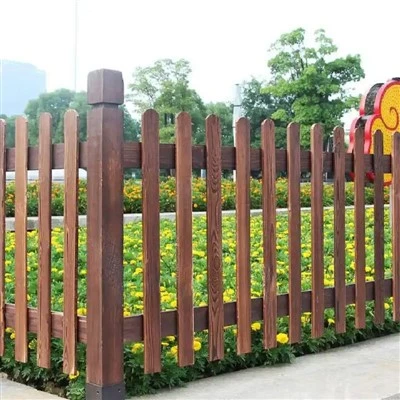
Let me wrap this up: pest control for wooden garden features is all about being proactive, picking safe methods that work for your space (especially if you have veggies, pets, or kids), and not waiting until the damage is done. If you’re not sure what’s going on with your current feature, or you’re thinking about ordering a new wooden arbor or planter box and want to make sure it’s pest-resistant, hit us up. We can walk you through what you need, even help troubleshoot if you’ve got a small infestation. No pushy sales stuff, just honest advice from people who build these things every day.
Interior Wood Products At the end of the day, your wooden garden features are an investment – they make your yard look cozy, give you a place to grow herbs or flowers, and that little arbor is where you’ll have your morning coffee. Taking 10 minutes a season to check for pests and do a quick treatment is way better than replacing a whole feature 2 years early. So if you’re ready to browse our line of wooden garden features, or just have questions about pest control, reach out to our team. We’re here to help.
References
- Environmental Protection Agency (EPA). 2022. "Wood Preservatives for Residential Use."
- University of California Statewide Integrated Pest Management (UC IPM). 2023. "Pests of Wood Structures in Home Gardens."
- Wood Protection Association (WPA). 2021. "Best Practices for Preventing Wood Rot and Pest Infestations in Outdoor Furniture."
- Penn State Extension. 2022. "Natural Pest Control Methods for Wooden Garden Features."
- American Wood Council. 2022. "Pressure-Treated Wood: Safety and Use Guidelines."
Zendekin Low-Carbon Technology Co., Ltd.
Address: Building 3, Yincheng INC Center, No.59 Tianyuan West Road, Jiangning District, Nanjing, Jiangsu, China.
E-mail: 13813916590@126.com
WebSite: https://www.zdqeco.com/
